Budget 2026 Explained: What the Latest Tax Changes Mean for Individuals
Introduction
While the Union Budget 2026 may not have rolled out tax reductions that make headlines, there are a number of significant changes that have been introduced for taxpayers. Rather than changing the income tax slabs, the government has been working to simplify the process and make it easier for taxpayers. This includes everything from extended deadlines for returns to reduced taxes on foreign expenses and a new income tax act that will soon be introduced. Here are the significant points that taxpayers should know.
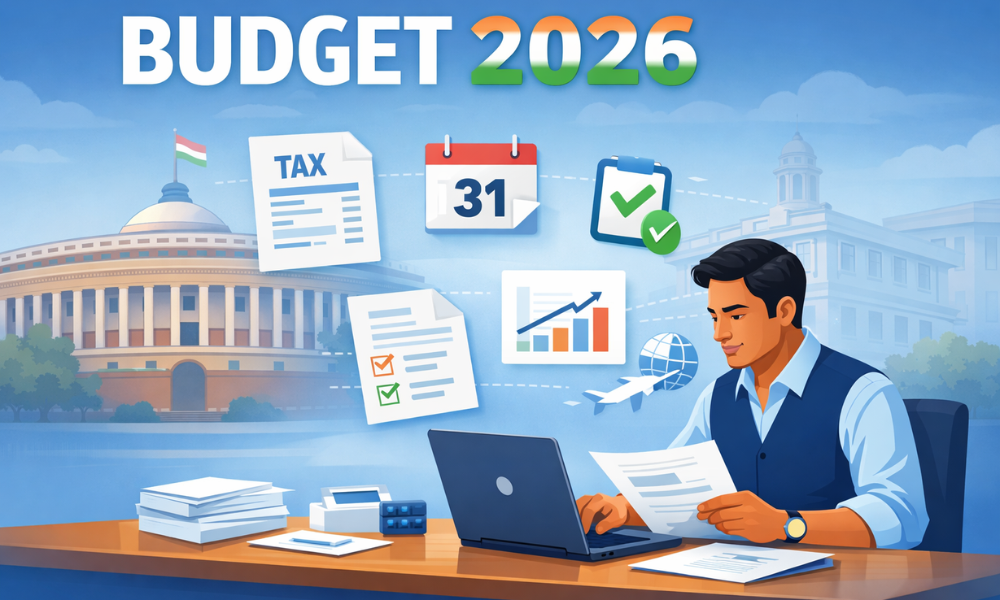
New Income Tax Act from April 2026 – What It Means for You
Among the most important announcements made in Budget 2026 is the fact that the new Income Tax Act will come into effect from April 1, 2026. According to the Finance Minister, the review of the current Income Tax Act of 1961 has been accomplished in record time, and this paves the way for the Income Tax Act of 2025. According to the government, the new Income Tax Act has been drafted in such a way that it is easier to understand and easier to comply with, especially for common taxpayers. The aim is to make tax-related matters simpler and less confusing. Although the details of the new Income Tax Act have not been announced yet, it is quite clear that the focus is on making the tax laws less confusing and less intimidating for taxpayers in the years to come.
No Adjustments Made to Tax Rates, But What Do They Mean for Salaries and Self-Employed?
The 2026 federal budget has continued existing rates of income tax as it relates to salary and self-employment. SAL has continued both the old and new income tax brackets, as well as including a continued educational cess and surcharge. While some taxpayers may have anticipated cuts in their rates due to the stagnant rate structure, the status quo provides a stable environment hence there will likely be no surprises and an overall greater degree of certainty about personal income taxes. Employees, freelancers, and self-employed individuals can utilise this stability for financial planning purposes without the fear of unexpected changes to the amount of tax they pay. As the government does not intend to make frequent changes to the existing tax brackets, long-term tax compliance is one of the goals of the government so that everything will be straightforward going forward; the government is also emphasising compliance improvement processes in its focus on simplifying and streamlining tax systems as opposed to providing short-term tax benefits. Therefore, individual taxpayers can expect fewer changes as the 2026 tax brackets will be identical with past tax brackets; substantially more stable tax environment and greater ability to plan for future taxes.
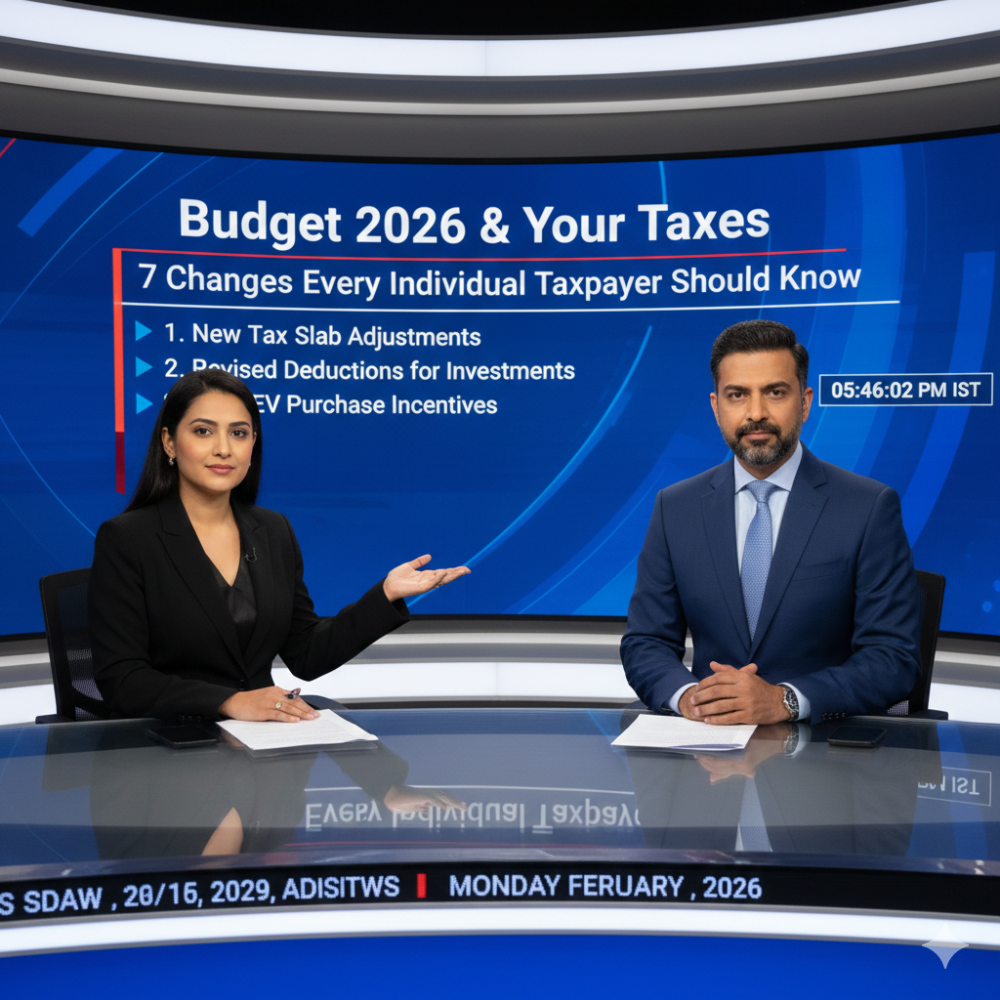
Extended Timelines and Simpler Forms Make Tax Returns Easier
The introduction of extended timeframes for filing returns, as well as the introduction of simpler forms, has made it easier for taxpayers to file their tax returns for Tax Year 2026 according to the Federal Budget. Taxpayers who file either ITR-1 or ITR-2 will have a deadline of July 31st for their returns, whereas non-audit business taxpayers and trusts now have until August 31st for filing their returns. The government has also decided to extend the window for filing a corrected return from December 31st until the end of March, although this will require a nominal fee for each return. Finally, the government plans to implement new income tax form(s) and simplify current tax rules to make it easier for taxpayers to prepare and file their own returns without assistance from a tax professional. A sufficient amount of time will be allocated, as well as ongoing education, to allow taxpayers to understand and comply with the new laws. All of these proposed changes are meant to reduce stress related to filing taxes and make the entire tax return process easier on taxpayers.
Relief Measures for Overseas Spending, Foreign Assets & Investors
Budget 2026 provides some new benefits for those with foreign investments or transactions. The tax rate on foreign travel packages has been decreased from previous rates to a flat 2%. The taxes on remitting funds to pay for self-financed foreign school tuition and medical expenses under the Liberalised Remittance Scheme have also been reduced to 2%. Previous violations are addressed by an opportunity for taxpayers with foreign assets to disclose them for the previous six months, which provides taxpayers (particularly students and professionals) who did not disclose their foreign income or assets under $250,000 to come into compliance and have their tax and penalty paid and not face criminal prosecution due to those previous failures. Prior minor violations will also provide retroactive relief. In addition, investors can now easily submit Forms 15G and 15H through their custodians, which significantly decreases the amount of repetitive documentation required.
Conclusion
Budget 2026 may not bring immediate tax relief, but it definitely signals a new era of a simpler and more predictable tax system for individual taxpayers. By not changing the tax rates but making it simpler through extended deadlines, simpler forms, lower overseas expenditure taxes, and one-time disclosure relief, the government has clearly signaled that it is working towards making life simpler for taxpayers. With a new Income Tax Act coming into force from April 2026, taxpayers can look forward to a simpler and less complex system in the near future.