Puri’s Jagannath Rath Yatra Concludes as Lakhs of Devotees Celebrate Lord Jagannath’s Return
Introduction
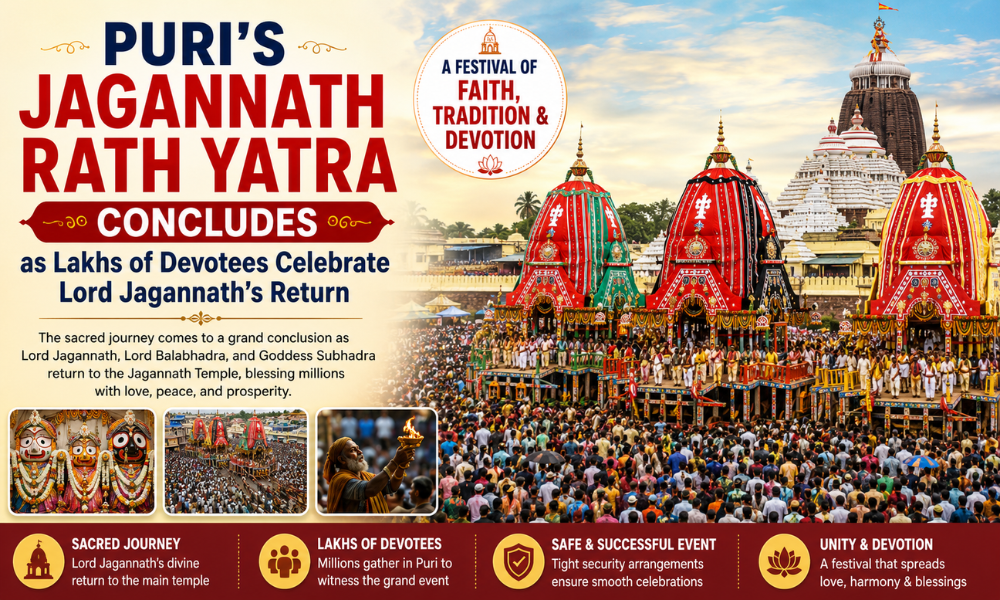
The sacred city of Puri in Odisha once again witnessed an extraordinary display of faith, devotion, and tradition as the Jagannath Rath Yatra 2026 concluded with the successful completion of the Bahuda Yatra, marking the return of Lord Jagannath, Lord Balabhadra, and Goddess Subhadra to the revered Jagannath Temple. Lakhs of devotees from across India and around the world gathered to participate in one of Hinduism’s most significant religious festivals, transforming the coastal town into a vibrant center of spirituality.
The conclusion of the annual chariot festival symbolizes the completion of the deities’ divine journey and reaffirms the centuries-old traditions that continue to unite millions of devotees in celebration and prayer.
A Sacred Festival with Centuries of Tradition
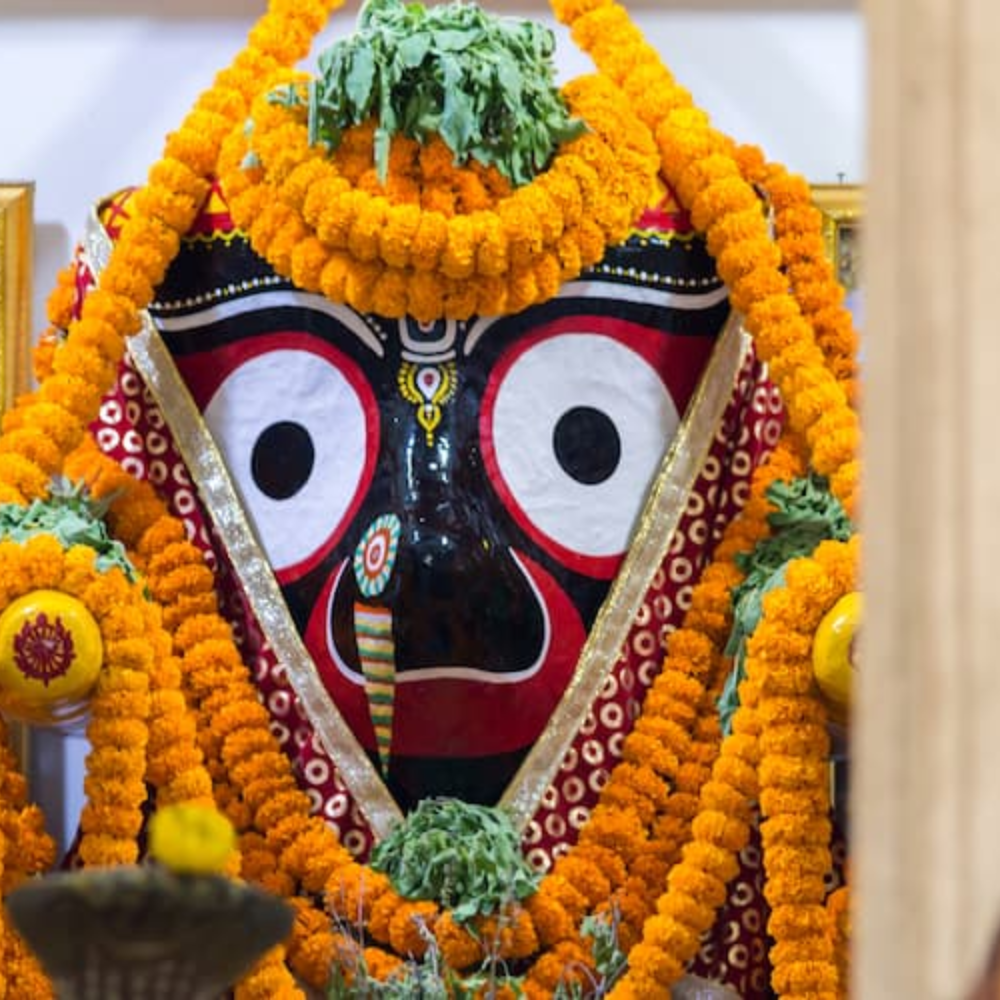
The Jagannath Rath Yatra is among the oldest and most celebrated religious festivals in India. Every year, the deities leave the sanctum of the Jagannath Temple and travel in magnificent wooden chariots to the Gundicha Temple, believed to be the home of Lord Jagannath’s aunt. After staying there for several days, the deities make their return journey during the Bahuda Yatra.
This sacred procession represents the belief that the Lord comes out of the temple to bless all devotees, regardless of caste, religion, or social background. It is one of the few occasions when millions of people can have a direct glimpse of the deities outside the temple premises.
Lakhs of Devotees Gather in Puri
This year’s festival attracted an overwhelming number of pilgrims. Roads leading to the Jagannath Temple were filled with devotees chanting hymns, singing devotional songs, and offering prayers. Families, saints, tourists, and spiritual seekers arrived from every corner of the country to witness the divine event.
The atmosphere in Puri reflected unmatched enthusiasm as people gathered from early morning to secure a glimpse of the deities during the return procession. The sea of devotees highlighted the festival’s enduring significance in India’s religious and cultural landscape.
The Grand Chariots
A major attraction of the Rath Yatra is the three beautifully crafted wooden chariots, rebuilt every year by skilled artisans using traditional methods.
- Nandighosha carries Lord Jagannath.
- Taladhwaja carries Lord Balabhadra.
- Darpadalana (Devadalana) carries Goddess Subhadra.
Each chariot is decorated with colorful fabrics, floral arrangements, wooden carvings, and sacred symbols. Thousands of devotees eagerly pull the massive chariots using thick ropes, considering it an act of immense religious merit and devotion.
The construction of these chariots itself is a remarkable tradition passed down through generations of craftsmen who follow strict religious guidelines while building them.
Bahuda Yatra: The Return Journey
The concluding phase of the festival, known as the Bahuda Yatra, marks the return of the deities to the Jagannath Temple after their stay at the Gundicha Temple.
As the chariots slowly moved through the Grand Road (Bada Danda), devotees offered flowers, coconuts, and prayers while chanting “Jai Jagannath.” The return journey carries deep spiritual meaning, symbolizing the Lord’s blessings upon humanity before returning to the sanctum.
The successful completion of the Bahuda Yatra is considered one of the most auspicious moments of the annual festival.
Rich Spiritual Significance
The Jagannath Rath Yatra teaches the values of equality, compassion, humility, and universal brotherhood. Lord Jagannath’s appearance outside the temple symbolizes that divine blessings are available to everyone without discrimination.
The act of pulling the chariot is believed to wash away sins and bring spiritual blessings. Many devotees spend months planning their pilgrimage, considering participation in the festival a once-in-a-lifetime opportunity.
The festival also strengthens faith and reminds devotees of the importance of surrender, devotion, and service to humanity.
Massive Security and Crowd Management
Given the enormous gathering of pilgrims, authorities implemented extensive security arrangements throughout the festival.
Thousands of police personnel, disaster response teams, medical staff, and volunteers were deployed across Puri to ensure smooth movement of devotees. CCTV surveillance, drone monitoring, emergency response units, traffic regulation, and healthcare facilities were established to maintain safety.
Special arrangements for drinking water, sanitation, accommodation, and transportation helped manage the massive influx of visitors during the festival.
The coordinated efforts of government agencies and temple authorities ensured that the event concluded peacefully and efficiently.
Economic and Cultural Impact
The Jagannath Rath Yatra significantly contributes to Odisha’s economy by boosting tourism, hospitality, transportation, handicrafts, and local businesses.
Hotels, restaurants, transport operators, street vendors, artisans, and souvenir shops experience increased business during the festival. Traditional crafts, including Pattachitra paintings, wooden carvings, handloom textiles, and religious artifacts, receive widespread attention from visitors.
The festival also promotes Odisha’s rich cultural heritage on the global stage, attracting international tourists interested in India’s spiritual traditions.
A Festival Beyond Religion
Although deeply rooted in Hindu traditions, the Jagannath Rath Yatra attracts visitors from various faiths and countries who come to witness its unique blend of spirituality, history, architecture, and culture.
The event serves as a symbol of unity and communal harmony, bringing together people from diverse backgrounds in peaceful celebration. Its universal message of compassion, inclusiveness, and devotion continues to inspire millions worldwide.
Preserving Ancient Traditions
One of the remarkable aspects of the Jagannath Rath Yatra is its commitment to preserving centuries-old rituals. From selecting sacred wood for the chariots to performing traditional ceremonies, every aspect follows established customs that have been maintained for generations.
Temple priests, hereditary servitors, craftsmen, musicians, and volunteers work together to ensure the authenticity of the festival. Their dedication helps preserve one of India’s greatest living cultural traditions.
These customs continue to strengthen the spiritual identity of Puri while passing invaluable heritage to future generations.
Looking Ahead
With the successful completion of the Jagannath Rath Yatra 2026, preparations will gradually begin for the next annual celebration. Devotees who participated this year leave with cherished memories and renewed spiritual energy, while many others have already begun planning their return for the next Rath Yatra.
The festival remains one of India’s most iconic religious events, drawing millions through its timeless message of faith, unity, and devotion.
Conclusion
The successful conclusion of Puri’s Jagannath Rath Yatra 2026 marked another unforgettable chapter in one of the world’s largest and most revered religious festivals. As lakhs of devotees celebrated the return of Lord Jagannath, Lord Balabhadra, and Goddess Subhadra to the Jagannath Temple, the festival once again demonstrated the enduring power of faith, tradition, and community.
Beyond its religious significance, the Rath Yatra represents India’s rich cultural heritage, promoting values of equality, compassion, and spiritual harmony. The spectacular procession, the magnificent chariots, and the unwavering devotion of millions continue to make the Jagannath Rath Yatra a symbol of unity and hope, inspiring generations of devotees from across the globe.
About the Author
Krina Shah is a Blog Writer