AI Employees Are Here: How Businesses Are Managing a Workforce That Doesn’t Exist
Introduction
A few a long time prior, “hiring” implied interviews, resumes, and onboarding calls. Nowadays, a few companies are hiring… software.
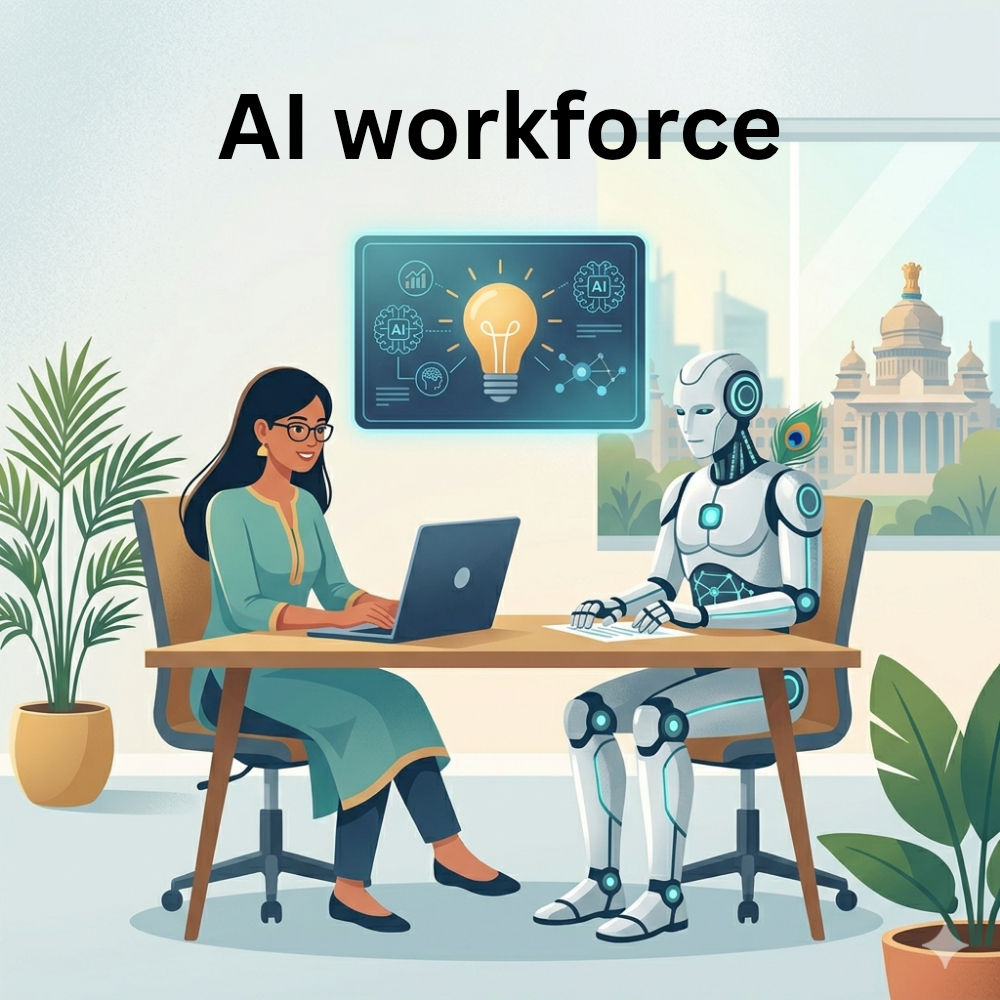
Not fair apparatuses, but genuine AI employees—chatbots taking care of client questions, AI journalists making substance, and virtual associates overseeing plans. And the curious portion? These “employees” don’t take clears out, don’t inquire for raises, and don’t get tired.
But overseeing them? That’s an entire distinctive story.
Let’s talk about what it truly looks like when businesses begin working with a workforce that doesn’t exist in the conventional sense.
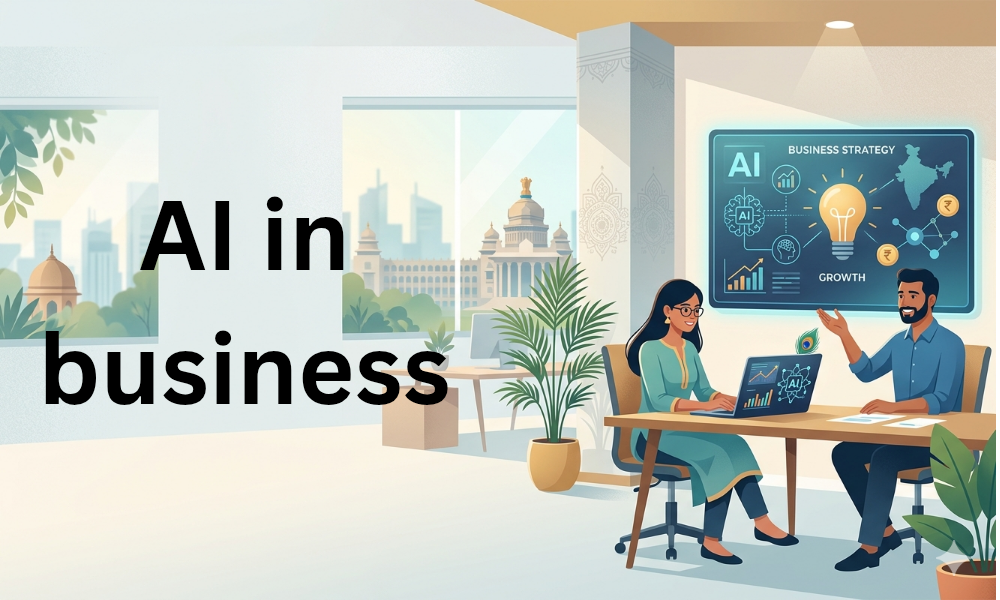
The Move: From Apparatuses to Teammates
Initially, businesses utilized AI as a helper—something in the foundation. Think auto-replies or fundamental chatbots.
Now, AI is getting to be more like a group member.
You’ll find:
- AI dealing with client bolster tickets
- AI creating showcasing campaigns
- AI analyzing commerce information and recommending decisions
- AI planning gatherings and sending follow-ups
This is no longer fair “using technology.” It’s collaborating with it.
And that changes everything.
What Does an “AI Employee” Really Do?
Let’s make this real.
Imagine a little online clothing trade in India.
Instead of contracting a full bolster group, they might use:
- A chatbot to reply common inquiries like conveyance timelines
- An AI apparatus to compose item descriptions
- An mechanized framework to track orders and send updates
In a bigger company, it seem see like:
- AI analyzing deals information and foreseeing demand
- AI instruments screening resumes some time recently HR indeed sees them
- AI producing reports that directors utilized to spend hours preparing
So yes, these “employees” don’t sit in an office—but they are doing genuine work.
The Unused Part of Managers
Here’s where it gets interesting.
When you have AI in your group, the part of a director begins to shift.
You’re no longer fair overseeing individuals. You’re overseeing systems.
- Preparing the AI
AI doesn’t mystically get it your business.
Someone has to:
- Feed it the right data
- Set rules (tone, rules, limits)
- Continuously refine its output
It’s like onboarding a modern employee—but instep of clarifying things once, you keep altering until it gets things right.
- Checking Output
AI can make botches. Some of the time little, in some cases serious.
For example:
A chatbot might deliver erroneous information
An AI essayist might create substance that sounds off-brand
A proposal framework might confuse data
So businesses require individuals to:
- Review outputs
- Catch mistakes early
- Ensure quality remains consistent
Basically, AI diminishes effort—but doesn’t evacuate responsibility.
- Choosing What Not to Automate
This is something numerous businesses learn the difficult way.
Not everything ought to be given over to AI.
For example:
- Sensitive client complaints
- Personal interactions
- Creative choices that require enthusiastic understanding
Good businesses are presently asking:
> “Where ought to we keep the human touch?”
Because robotization without thought can really harm trust.
The Culture Move No one Talks About
Introducing AI into a group doesn’t fairly alter work—it changes how individuals feel around work.
Some representatives feel:
- Worried approximately work security
- Confused approximately their role
- Unsure how to work nearby AI
At the same time, others feel:
- Relieved (less tedious work)
- More productive
- Free to center on inventive tasks
So companies presently have to oversee not fair AI—but moreover the human response to AI.
That’s an administration challenge, not a tech one.
Small Businesses Are Driving the Way
Interestingly, this move isn’t fair happening in huge tech companies.
In India particularly, little and mid-sized businesses are receiving AI quickly.
Why?
Because AI makes a difference them:
- Save costs
- Work faster
- Compete with greater players
A solo business visionary can now:
- Run promoting campaigns
- Handle client queries
- Manage operations
- All with negligible hiring.
It’s like having a little team—without really building one.
The Covered up Challenges
It all sounds proficient, but it’s not as smooth as it looks from the outside.
- Over-Reliance on AI
Some businesses begin depending as well much on AI.
The risk?
- Losing originality
- Making choices based absolutely on information, not context
- Becoming as well “mechanical” in communication
- Need of Accountability
If an AI makes a botch, who is responsible?
The commerce owner?
The developer?
The apparatus itself?
This is still a dark range, particularly in customer-facing situations.
- Information Dependency
AI works on information. And not all businesses have clean, organized data.
So sometimes:
- The yield is inaccurate
- Insights are misleading
- Decisions go wrong
Which implies AI is as great as what you bolster it.
What Shrewd Businesses Are Doing Differently
The companies getting this right are not aimlessly utilizing AI. They’re being intentional.
Here’s what they center on:
Human + AI, Not Human vs AI
They utilize AI to:
- Handle monotonous work
- Speed up processes
And people to:
- Build relationships
- Make last decisions
- Add inventiveness and empathy
Clear Boundaries
They define:
- What AI can do
- What people must handle
This maintains a strategic distance from perplexity and keeps things balanced.
Continuous Learning
AI isn’t “set and forget.”
Smart teams:
- Regularly overhaul systems
- Review performance
- Adapt based on results
It’s a progressing preparation, not a one-time setup.
So… Are AI Workers the Future?
In numerous ways, they as of now are.
But not in the way we imagined.
It’s not almost robots supplanting people totally. It’s around changing how work gets done.
Businesses are gradually realizing:
AI can do more than expected
But it still needs human direction
And the genuine control lies in combining both
Conclusion
A Thought to Take off You With
If you think about it, the thought of an “employee” is evolving.
Earlier, it implied an individual sitting at a desk.
Now, it might mean:
- A chatbot replying clients at midnight
- A framework analyzing information whereas you sleep
- A apparatus producing thoughts when you’re stuck
And perhaps the genuine address is not:
About the Author
This article was written by Jhala Nidhiba