Cash vs Online Payments: How Digital Transactions Are Changing Small Businesses in India
Introduction
A few a long time back, venturing into a little shop implied one thing—cash.
You’d purchase something, hand over notes, possibly get a few coins back, and that was it. Simple.
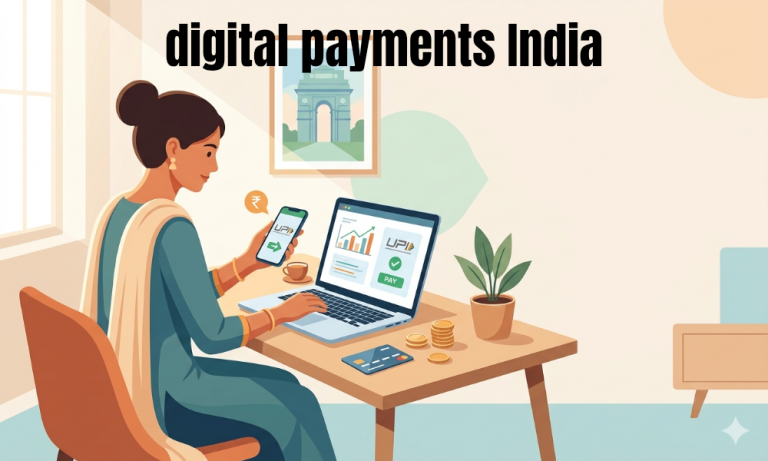
Now, walk into the same kind of shop and you’ll likely see a QR code sitting right next to the cash counter.
“UPI hai?” has ended up one of the most common questions in India.
From chai slows down to neighborhood tailors, nearly everybody acknowledges online installments nowadays. And it’s not a fair trend—it’s unobtrusively changing how little businesses operate.
Let’s talk about what this move truly looks like on the ground.
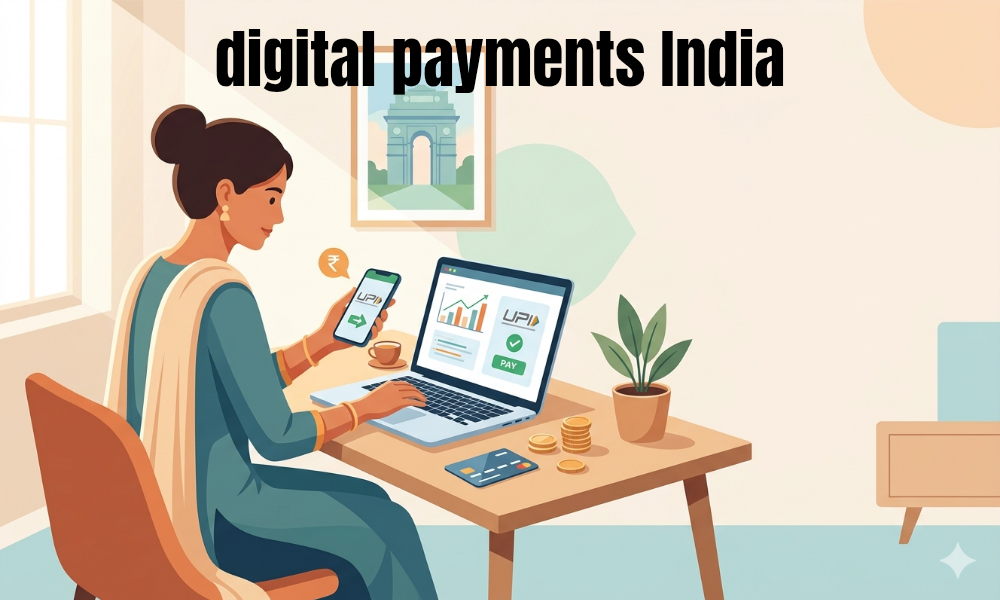
The Move from Cash to Digital
India didn’t gradually move into advanced payments—it happened fast.
Especially after:
UPI got to be broadly available
Smartphones got to be affordable
Internet get to improved
Suddenly, indeed little merchants may acknowledge installments without requiring a machine or complicated setup.
All they required was:
A smartphone
A QR code
A bank account
And fair like that, advanced installments got to be a portion of day by day life.
Why Little Businesses Are Embracing Online Payments
To begin with, numerous shop proprietors were hesitant.
Cash felt secure. Recognizable. Simple to understand.
But over time, the benefits of computerized installments became difficult to ignore.
- Comfort for Customers
Customers nowadays incline toward ease.
They don’t continuously carry cash. But they nearly continuously carry their phone.
With online payments:
No require for correct change
Faster transactions
Less waiting
And when paying is simple, buying gets to be less demanding too.
- Speedier Transactions
Think around an active shop.
Handling cash involves:
Counting money
Checking notes
Returning change
With computerized payments:
Scan
Pay
Done
It spares time, particularly amid surge hours.
- Way better Record Keeping
This is a huge advantage.
Every online installment makes a record.
Business proprietors can:
Track day by day sales
Check installment history
Avoid calculation errors
For numerous little businesses, this is to begin with a step toward more organized finances.
- Expanded Trust
When clients see computerized installment alternatives, it makes a sense of professionalism:
It feels:
Modern
Reliable
Transparent
Even a little shop looks more “established.”
But Cash Isn’t Going Anywhere
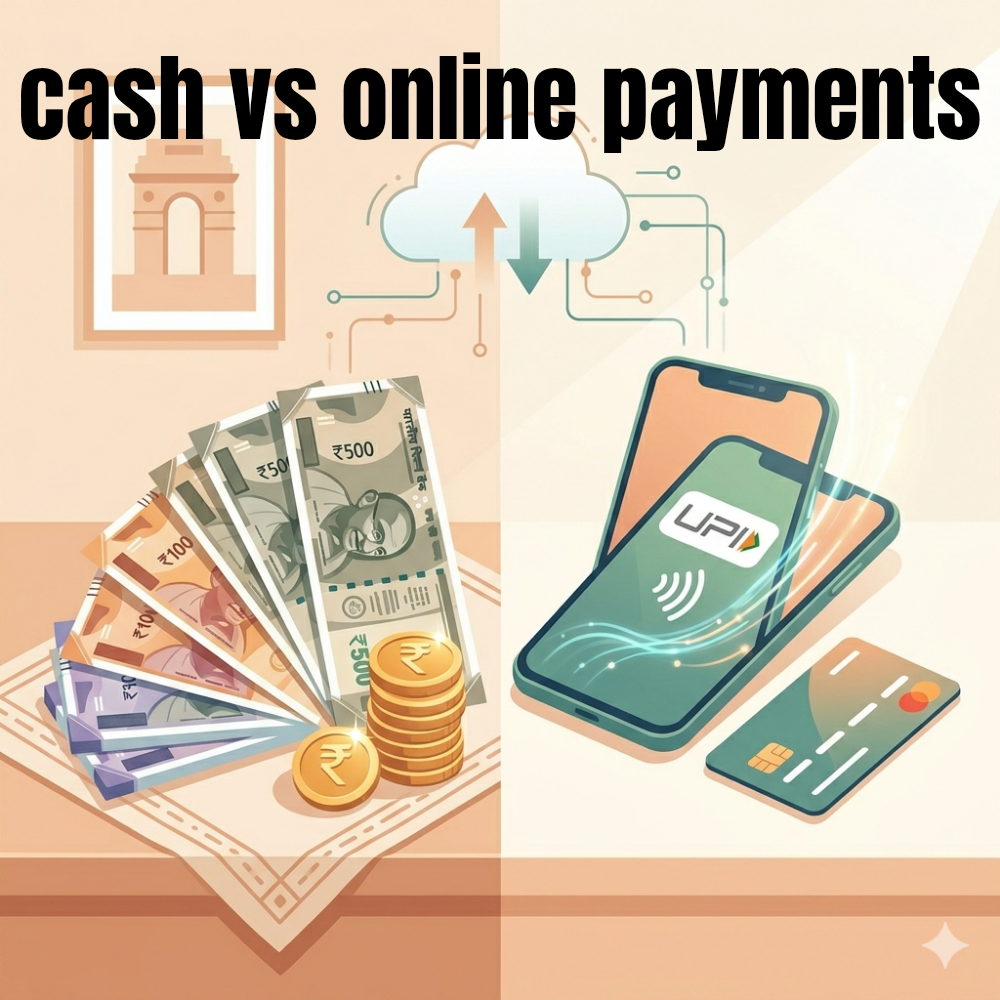
Despite the rise of advanced installments, cash still has a solid presence.
And for great reason.
Why Cash Still Works
No reliance on internet
No specialized issues
Immediate settlement
Easy for all age groups
In numerous ranges, particularly littler towns, cash is still the essential mode.
Customer Inclination Varies
Some individuals prefer:
Digital for convenience
Others prefer:
Cash for control
And businesses require to handle both.
Real-Life Situation: A Neighborhood Shop
Let’s take a straightforward example.
A little basic need store in a private area.
Earlier:
Only cash
Manual tracking
End-of-day calculations
Now:
Accepts UPI
Keeps computerized records
Handles more clients smoothly
But they still acknowledge cash.
Because not each client needs to pay online.
This adjustment is what most businesses are figuring out.
The Covered up Challenges of Going Digital
While advanced installments are accommodating, they’re not perfect.
- Organize Issues
No web = no payment.
In active ranges or amid outages:
Transactions fail
Customers get stuck
Business moderates down
- Installment Delays or Confusion
Sometimes:
Payment is deducted but not received
Screenshots are appeared as proof
Verification takes time
This can make for ungainly situations.
- Learning Curve
Not each commerce proprietor is comfortable with technology.
For some:
Using apps
Checking installment status
Handling errors
It takes time to learn.
- Reliance on Platforms
When everything depends on apps:
Any specialized glitch influences business
Changes in arrangements or expenses matter
There’s less control compared to cash.
How This Move Is Changing Trade Behavior
Digital installments are not fair changing transactions—they’re changing habits.
More Investing, Less Thinking
When individuals pay digitally:
They don’t “feel” the cash leaving
Spending feels easier
This regularly leads to:
Higher buy amounts
Impulse buying
Better Monetary Mindfulness for Owners
With records available:
Business proprietors can track trends
Understand crest deals time
Plan better
This wasn’t as simple with cash alone.
New Opportunities
Digital installments open entryways to:
Online selling
Delivery services
Expanding past nearby customers
Even a little trade can think bigger.
What Shrewd Businesses Are Doing
Instead of choosing between cash and computerized, savvy businesses are combining both.
They Offer Different Options
Cash
UPI
Sometimes cards
This guarantees no client is turned away.
They Remain Updated
They:
Learn fundamental computerized tools
Keep apps updated
Stay mindful of installment trends
They Construct Trust
Clear communication helps:
Confirming payments
Avoiding confusion
Handling issues calmly
Because I believe in things more than the installment method.
The Greater Picture
This move is not fair to most payments.
It’s approximately how little businesses are gradually becoming:
More organized
More efficient
More adaptable
Without indeed realizing it, numerous are venturing into a more organized way of working.
Conclusion
A Little Thought Some time recently You Go
Next time you check a QR code at a little shop, take a minute to take note of it.
That little square code speaks to a huge change.
A shop that once ran as if it were on cash is presently associated with an advanced system.
Handling exchanges, following deals, adjusting to unused habits.
Not impeccably. Not all at once.
But step by step.
And perhaps that’s how genuine alter happens—not with enormous declarations, but with little ordinary shifts that gradually ended up typical.
About the Author
This article was written by Jhala Nidhiba