EV Launches in India: What’s New and What’s Next
Introduction
The Electric Vehicle (EV) market in India is growing at an incredible rate, with many new car, two-wheeler, and commercial EV launches taking place every week. All automakers are rushing to bring out new electric vehicles, whether they be foreign automakers or start-up companies in India. EVs are starting to be a part of people’s lives in India, and the government’s financial support and awareness of the benefits of EVs are driving this trend. This blog will highlight the latest electric vehicle launch news coming out of India, as well as share what we see for the future of EVs in India.
Recent Launches of Electric Vehicles in India (2024-2025)
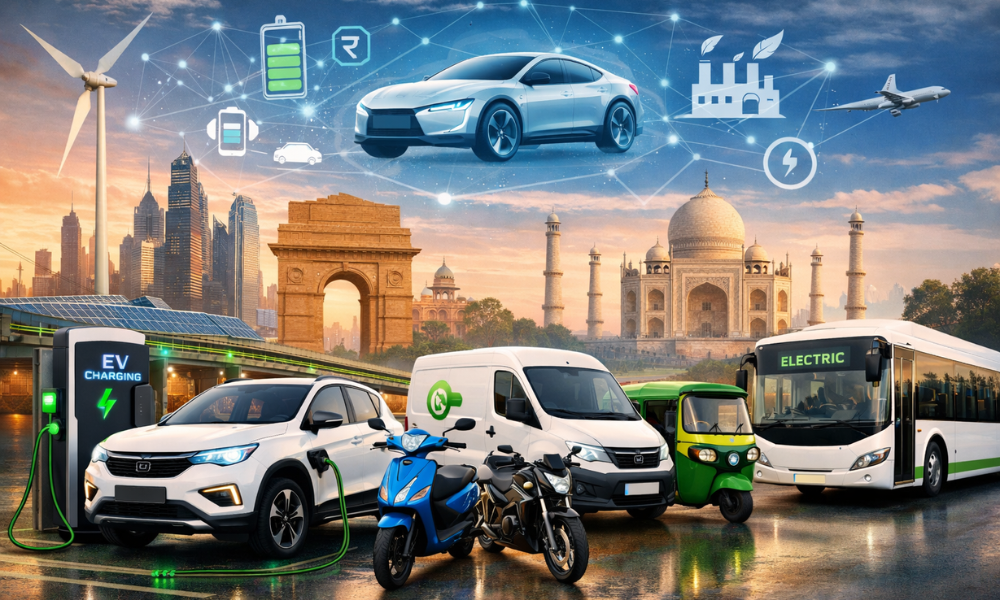
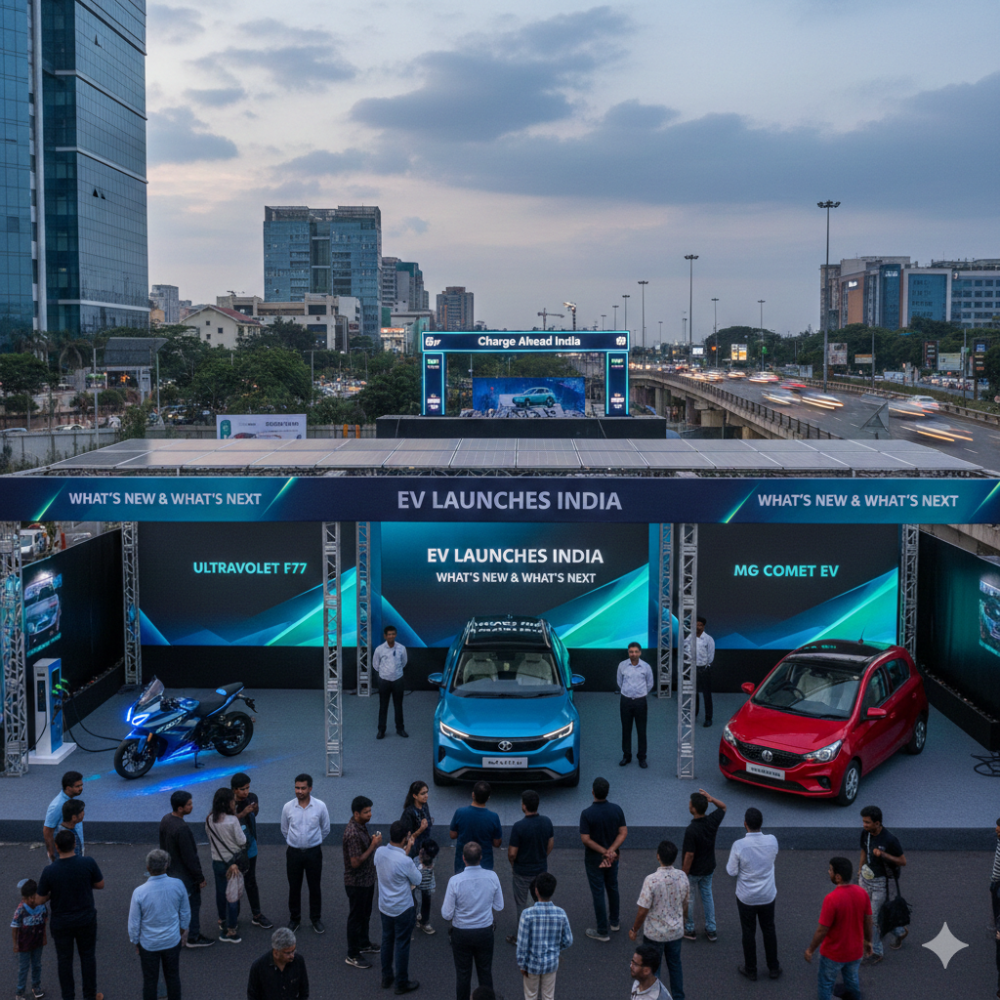
The Indian EV market saw an influx of new launches across all vehicle types in 2024-2025, including electric cars like Tata’s new Punch EV model and updates to the Mahindra XUV400, along with numerous global premium models that have increased the number of electric car options available to both city and highway drivers. On the two-wheeler side, multiple manufacturers are now producing updated versions of their popular models, including Ola Electric, Ather, TVS and Bajaj, which feature improved electric range, faster charging capabilities and enhanced connectivity features. Within the three-wheeler and commercial van segments, electric vans and three wheeler are growing in popularity due to their role as part of supply chain logistics and last-mile deliveries. All the new vehicles launched during this time period have been designed with the key concerns of Indian buyers – range, price, running cost – in minds, while the availability of longer battery warranties and a vast support system of service dealers has helped build consumer confidence in the EV market. The new vehicle launches clearly demonstrate that manufacturers are producing practical vehicles that are now ready for the mass market, as opposed to experimental vehicles.
The Rise of New Participants and Start-Ups in the EV Space
New entrants and start-ups in India are a driving force in shaping mobility via electric vehicle technology. New-age companies such as Ola Electric, Simple Energy and Ultraviolet are leveraging the ‘software’ capabilities of electric vehicles with innovative product designs focused on performance and selling directly to the consumer as opposed to utilizing third-party dealerships. In the commercial sector, start-ups are creating electric delivery vans and delivery trucks as well as fleet solutions specifically designed for e-Commerce and Urban Transit. New entrants are also providing battery swapping solutions and Electric Vehicle as a Service (EVaaS) solution to provide a lower-cost pathway for consumers to access electric vehicles and participate in shared mobility solutions. In contrast to established brands, these new entrants develop products based on real-world data and iterative testing rather than legacy assumptions which provide greater flexibility and speed of development. The introduction of competition will force established players to adapt and change quickly and consumers are likely to benefit through improved technologies, lower prices and shorter product development cycles. Thus, new entrants and start-ups are playing a vital role in the development of the emerging electric vehicle market in India.
Government Policies & Incentives Driving EV Adoption
The advancement of Electric Vehicles (EVs) in India is greatly supported by both central and state government incentives. The central government incentives include FAME – II and all State Governments provide additional financial support, waiving road taxes or providing refunds for EV Registration Fees therefore decreasing the cost of owning an EV when compared to conventional vehicles. Most States have added additional financial incentives for manufacturers to encourage them to establish EV plants and battery production facilities within their borders. EV localization policies are promoting the domestic production of batteries, components and systems which reduces the dependency on imports from other Countries. Stricter regulations concerning emissions from internal combustion engines coupled with rising fuel prices are driving the consumers and corporations to consider EVs. Public expenditure on the development of charging stations and infrastructure will continue to improve the usability and increase consumer confidence in the range of EVs. All of these factors combined with a stable long-term government commitment to electric mobility indicate that there will be an increasing number of EV launches in the future.
Future EV Trends & What’s Coming Next in India
The next stage of India’s electric vehicle (EV) evolution will center on scale, technology, and price. Upcoming products are likely to feature increased ranges and decreased charging times with premium options for prices competitive with other vehicle types. Battery technology developments such as lithium ion improvements and ongoing research into solid-state batteries will likely lead to significant reductions in cost and time for charging EVs. Charging infrastructure is expected to expand significantly over the next few years with the introduction of fast chargers in urban areas and along major road networks. India also seeks to establish itself as a leading global manufacturer and exporter of EVs and has already drawn significant foreign direct investments from numerous foreign automobile manufacturers. Shared mobility, electric fleets, and subscription-based ownership models will potentially become commonplace as consumers shift their purchasing decisions toward purchasing based on practicality, affordability, and sustainability.
Conclusion
The evolution of electric vehicles (EVs) in India has been fast-tracked with an increase in number of companies launching EVs, and the introduction of several new, relatively progressive policies, as well as a growing acceptance from consumers, indicates a very positive direction. While EVs were once thought of as niche vehicles, they are proving to be a significant component of India’s overall mobility ecosystem going forward. In conjunction with technology development and the expansion of necessary charging infrastructure, electric vehicles will soon become affordable, dependable, and available to the general population. The path ahead for both retailers and end-users is toward an increasingly clean transportation network, as well as thus a decrease in the operating costs of vehicles.