Global Investors Turn to GIFT City Amid West Asia Conflict and Economic Uncertainty
Introduction
In an increasingly volatile global environment, investors are constantly seeking stability, diversification, and access to new growth opportunities. The ongoing geopolitical tensions in West Asia have once again highlighted the fragility of traditional investment hubs. As uncertainty looms over global markets, a significant shift is underway—global investors are turning their attention toward India’s GIFT City as a reliable and emerging financial destination.
Understanding the Global Context
West Asia has long been a crucial region for global trade, energy supplies, and investment flows. However, recurring conflicts and geopolitical instability have created uncertainty in financial markets. Rising tensions often lead to fluctuations in oil prices, currency instability, and disruptions in trade routes, making investors cautious.
During such periods, investors typically move their capital to safer and more stable regions. Traditionally, destinations like the United States, Europe, and Singapore have been considered safe havens. However, in recent years, India—particularly GIFT City—has emerged as a strong alternative.
What is GIFT City?
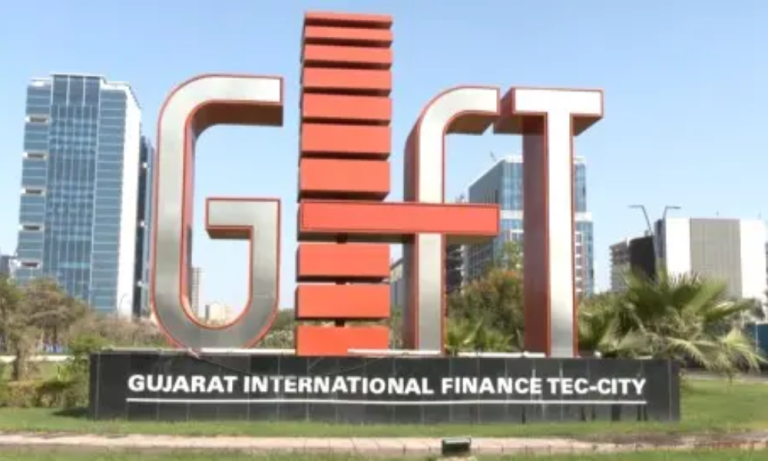
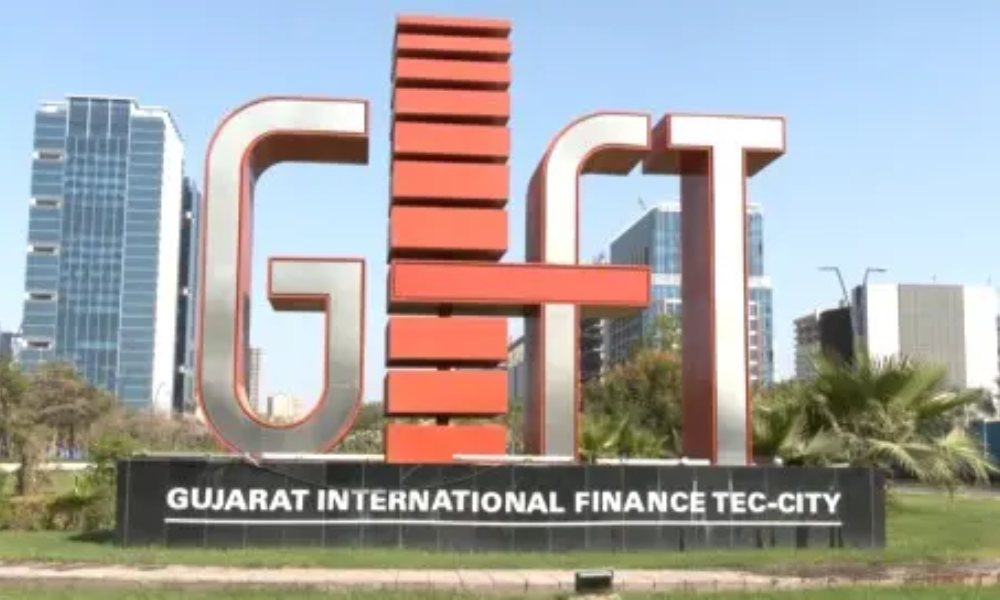
GIFT City (Gujarat International Finance Tec-City) is India’s first operational smart city and international financial services center (IFSC), located in Gujarat. Designed to compete with global financial hubs like Dubai, Singapore, and Hong Kong, GIFT City offers world-class infrastructure, favorable tax policies, and a highly regulated financial ecosystem.
It serves as a gateway for both Indian and global investors to access international markets, making cross-border investments simpler, faster, and more efficient.
Why Investors Are Turning to GIFT City
- Stability Amid Global Uncertainty
One of the biggest advantages of GIFT City is its stable economic and political environment. India’s strong regulatory framework and consistent economic growth make it an attractive destination during global crises. While West Asia faces conflict-related risks, GIFT City offers a sense of security for long-term investments.
- Access to Global Markets
GIFT City allows Indian investors to invest in global stocks, bonds, and derivatives without the complexities usually associated with international investing. At the same time, foreign investors can easily access Indian financial markets through a streamlined process.
This dual advantage makes it a unique platform bridging domestic and international investment opportunities.
- Tax Benefits and Incentives
The Indian government has introduced several tax incentives to promote GIFT City as a global financial hub. These include tax exemptions on certain income, reduced transaction costs, and simplified compliance procedures. Such benefits significantly enhance returns for investors, making GIFT City highly competitive compared to other global financial centers.
- Advanced Infrastructure and Technology
GIFT City is built as a smart city with state-of-the-art infrastructure, including high-speed connectivity, modern office spaces, and advanced financial systems. This technological edge ensures efficient trading, seamless transactions, and a superior investor experience.
- Regulatory Support
The International Financial Services Centres Authority (IFSCA) plays a key role in regulating GIFT City. Its progressive policies and investor-friendly approach have created a transparent and efficient financial ecosystem, boosting investor confidence.

Impact of West Asia Conflict on Investment Trends
The ongoing conflict in West Asia has led to several ripple effects across global markets:
- Oil Price Volatility: Fluctuations in oil prices impact economies worldwide, especially those dependent on energy imports.
- Currency Instability: Regional conflicts often weaken currencies, affecting cross-border investments.
- Market Uncertainty: Stock markets tend to react negatively to geopolitical tensions, increasing risk for investors.
As a result, investors are diversifying their portfolios and seeking alternative markets that offer stability and growth. GIFT City, with its strong fundamentals and global connectivity, is emerging as a preferred choice.
India’s Growing Role in Global Finance
India’s economic growth story is another major factor driving interest in GIFT City. As one of the fastest-growing major economies, India offers a combination of stability, scale, and opportunity. Government initiatives aimed at improving ease of doing business, attracting foreign investment, and strengthening financial markets have further enhanced its global appeal.
GIFT City is at the center of this transformation, positioning India as a key player in the global financial ecosystem.
Challenges and Future Outlook
While GIFT City has made significant progress, it still faces challenges such as competition from established global financial centers, the need for greater awareness among investors, and continuous regulatory evolution. However, the government’s commitment to developing GIFT City and ongoing policy support indicate a promising future.
As global uncertainties persist, the importance of diversified and resilient investment destinations will only grow. GIFT City is well-positioned to capitalize on this trend, attracting both institutional and retail investors from around the world.
Conclusion
The shift of global investors toward GIFT City amid the West Asia conflict and economic uncertainty reflects a broader change in investment strategies. Stability, accessibility, and growth potential are now more important than ever.
GIFT City offers all these advantages and more—making it not just an alternative, but a strategic destination for global investments. As the world navigates through uncertain times, GIFT City stands out as a beacon of opportunity, innovation, and financial resilience.
In the coming years, it is likely to play a pivotal role in shaping the future of global finance, firmly establishing India’s position on the world investment map.
About the Author
Hetanshree