How FinTech Apps Are Changing Digital Payments
Introduction
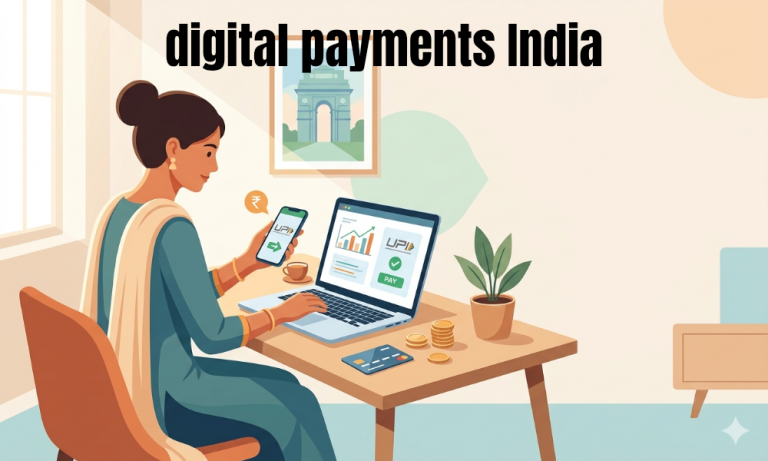
Digital Payments have come a long way in just a few years, particularly with the rise of fintech apps. The introduction of so many different digital payment methods including; UPI Payments, Mobile Wallets, and Contactless Payments has provided Users with many options when it comes to digitally paying someone for a service or product. Innovative Technology around Mobile Payments has increased the convenience, speed, and Security of these types of payments. Becoming more common through Towns/Villages Across the Country, Digital Payments Systems will continue to increase in Usage – Making Them One Of The Most Important Part Of Daily Life for all Citizens.
Speed, Security, and Simplicity: The Technology Powering Modern Digital Payments
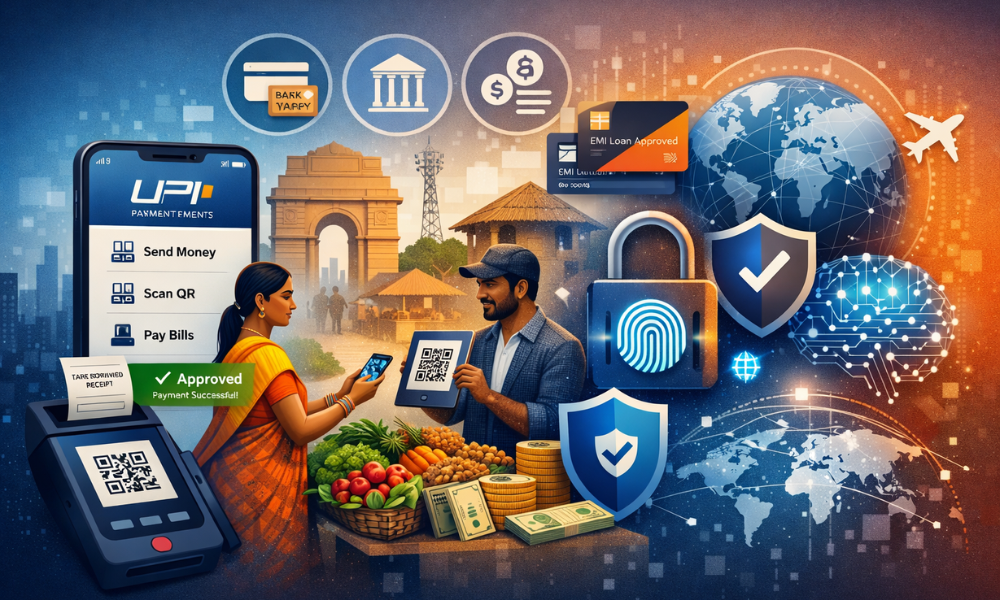
The technology behind FinTech applications is focused on making it easy for consumers to make payments securely and promptly. Payment transactions using UPI or real-time settlement systems occur almost instantly, so your money will be at its destination as soon as you submit it. To keep customers safe while using FinTech applications, developers have utilized encryption technology, biometric identification (e.g., fingerprint or facial recognition), and AI-driven tools to analyze for possible fraudulent activity in real-time. Additionally, user-friendly application interfaces provide even newbie users with the ability to navigate through the application with ease. Features such as the ability to pay with one tap, create saved recipients (i.e., friends or family you often send money to), and receive alerts automatically when you perform transactions are additional elements of a quicker and more secure environment for the user of FinTech applications. By incorporating a variety of elements that promote ease of use (i.e., consumer ability to navigate and access functions of the application) with strong security, FinTech companies have alleviated many of the normal anxieties surrounding digital payment services and promoted a more expansive adoption of digital payment solutions for both consumers and businesses.
From Cash to Clicks: How FinTech Apps Accelerated India’s Cashless Economy
Fintech apps have been instrumental in moving India from a cash-dominated economy towards a digitally dominant method of payment. The widespread availability of UPI, QR codes and mobile wallets have allowed consumers a way to pay for items, such as groceries, ride services or utility bills, in mere seconds. As a result of their low cost and ease of setup, many small merchants and street vendors are using digital payment systems. In addition, government programs, along with cashback bonuses from fintech companies, have led to an increase in consumer usage of these digital payments. As a result, as consumers develop a greater level of trust with digital transactions, they are beginning to favour the convenience of digital payment methods over the inconvenience of handling cash. In addition to reducing the reliance on physical currency, this shift has also increased the transparency of financial transactions, allowing companies to better track payments, and ultimately creating a stronger overall digital financial system.
The Role of FinTech in Increasing Financial Inclusion of the Unbanked and Underbanked
The most valuable way that FinTech is enabling financial inclusion is by allowing access to the financial economy to Millions of people who were previously unable to access conventional banking. With FinTech apps and mobile phones, users can now transfer money anywhere in the world using a digital wallet. FinTech providers also help users create accounts just by providing minimal documentation to access their UPI or digital wallet, which enables small shop owners, freelancers or gig workers, and rural users to access money quickly and conveniently without having to go to brick and mortar banks. FinTech apps enable users to create digital transaction records that establish their financial reputation. As users gain positive transaction records through their digital wallets and UPI, they will eventually have access to further financial products such as micro-loans and insurance products, which will empower them and promote inclusive economic growth.
What’s Next for Digital Payments: Credit on UPI, Embedded Finance, and Global Expansion
The digital future of payment systems will continue to create technological innovations in the Financial Technology Industry (FinTech). An example of this type of innovation is the use of credit when using the Unified Payments Interface (UPI) to provide consumers with short-term credit while making everyday transactions. Another rapidly growing form of FinTech includes the integration of embedded finance within the e-commerce, travel, and service platforms; this type of financial technology allows users to make payments directly within their chosen platform. Additionally, FinTech companies are focused on expanding their cross-border payment capabilities to enable faster and less expensive international money transfers. Regulatory intervention and collaboration between FinTech companies and banks are driving innovations in digital payments. Future innovations will allow consumers and businesses to personalize and use data to efficiently transfer money globally.
Conclusion
The way we conduct transactions through digital payment apps has been revolutionised by FinTechs through their facilitation of rapid, secure and easily accessible payment capabilities for all. This includes assisting to expedite the transition to a cashless society, creating financial inclusion, providing innovative solutions, and enabling new ways to move money in a digital ecosystem. In the future, with evolving technology and regulation, FinTechs will hold greater significance in the development of everyday financial transactions.