Inside Bangladesh’s Ongoing Turmoil: Causes, Concerns, and Consequences
Introduction
The current turmoil in Bangladesh is indicative of the current political, economic and social unrest that is rooted in many years of underlying tensions that have been escalating. Voices are being expressed through social media, on the streets and other forms of media, but they all have a common theme of concern, anger, and hope for a new beginning. This blog will serve as a voice to those who are looking for answers to their questions about the causes of the unrest in Bangladesh, what is currently impacting the country, and where it could potentially lead.
The Connection between Political Economic Social Triggers
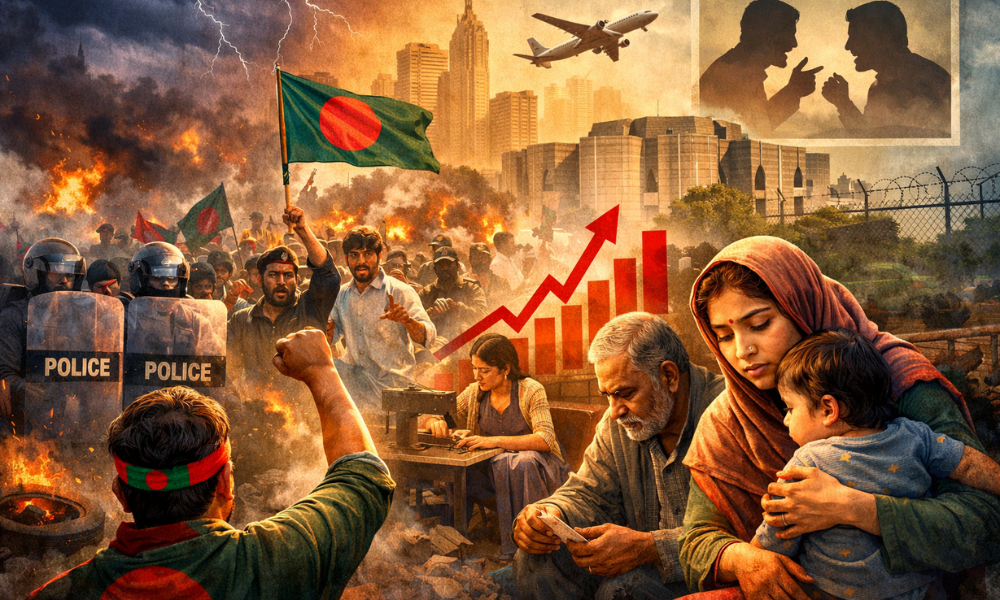
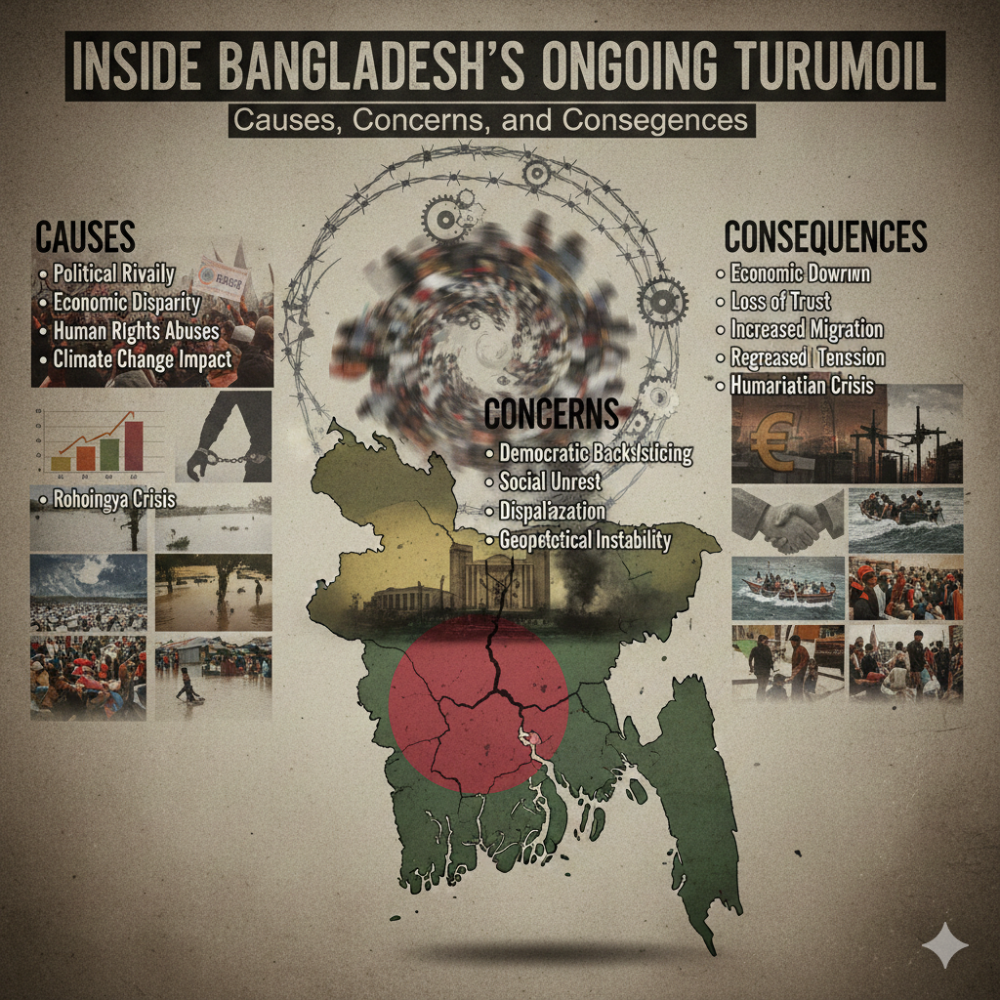
The recent political unrest in Bangladesh has not happened suddenly, but rather as a result of a build-up of historical political issues, increasing economic difficulties and growing dissatisfaction among Bangladeshis. Due to the increase in political polarization, the political atmosphere has become increasingly uncertain, and rather than engaging in dialogue over solutions, discussions usually devolve into violent confrontations. Furthermore, there are significant economic challenges such as a rising cost of living, lack of job opportunities and imbalance in economic growth all contributing to more stress on the everyday lives of the people. The younger generation particularly is feeling like their reality is much further away from their perceptions than it has ever been. At the same time, the social environment is becoming increasingly frustrated that voices are not being heard or that people are not being included in decisions that affect their lives. The combination of all of these factors has elevated many small problems into widespread civil unrest. Understanding the root causes of civil unrest is critical; if no measures are put in place to resolve the root causes, any current calm will be temporary and not a means to establish peace.
The Unofficial Narrative: How the Conflict Affects People Everyday
While politicians are busy debating issues and making political statements, the conflict has deeply affected many people’s daily lives. A lot of people have been impacted negatively by this uncertainty, which has affected their ability to perform well at their job, go to school, and feel safe. People are fatigued from being part of the protests or being disrupted in their everyday lives but many are even more fatigued because they feel as though it has gone on for too long and nothing has been resolved. Business owners are cautious about the future of their business revenues due to instability, students are worried about how their education may be affected due to the interruption of their future, and families are struggling with rising costs of living. Social media has become a place for people to share both their frustrations and their support of one another, as well as spread misinformation. While there are many opinions on this, the majority of people are looking for stability, fairness in society, and a voice in society that they believe can affect change in their lives. The experiences of people on the ground level of this conflict remind us that the conflict is not just about politics, it is about real people and how it is affecting their lives in a very personal way.
Trade, Migration, and Diplomacy Regionally: Impact on South Asia
The situation in Bangladesh continues to escalate, raising concerns that extend beyond immediate protests or political events. Longer-term instability will lead to weakened governance, decreased rate of economic advancement, and strain on the country’s public institutions. As citizens lose trust, regular governance becomes difficult because of the lack of confidence from the public. Increased tension also leads to concerns related to security, as there is an opportunity for escalation of violence toward both civilians and law enforcement personnel. Bangladesh plays a significant role in South Asia, being a leader in its trade relationships, migration, and diplomatic relationships. As such, any sustained disruption in Bangladesh will ultimately create a ripple effect upon the surrounding nations, creating challenges for regional cooperation. International observers also have a vested interest in closely monitoring the ongoing situation, as it will affect their decisions to invest and cultivate developmental partnerships, as well as the global reputation of Bangladesh. These concerns not only impact the citizens of Bangladesh, but they also have significant implications for cooperation and long-term development within the region. Thus, maintaining stability in Bangladesh is critical to creating an environment where long-term confidence and cooperation are attainable.
The Road Ahead: Possible Outcomes and Paths Toward Resolution
Looking into the future , Bangladesh is at a crucial point where choices made today will impact many years to come. If underlying issues remain unresolved, there is the possibility of ongoing conflict or unrest between groups; however, there is space for dialogue, reform and rebuilding confidence and trust within these communities. Significant interactions amongst Leaders, Institutions and Citizens have the capability of decreasing the divide and building the confidence of its public through Transparency, Accountability and Participatory Governance. Economic Policies to provide assistance will take time to alleviate Public Discontent. The Road Ahead will not be easy and Progress will likely be a slow, stepwise journey. Nevertheless, History has demonstrated that periods of civil unrest can also serve as turning points leading Into Positive Changes. How well we respond to these momentous Challenges, will determine if Bangladesh will Divide Further or Unify and move Toward Continued Stability.
Conclusion
The current turmoil in Bangladesh is complicated and informed by underlying difficulties, struggles of humanity, and uncertain futures. The many political protests are indicative of the collective emotions of a whole nation trying to achieve a place of stability, an atmosphere of fairness to all people, and hope for a better tomorrow. The future of this chapter is dependent upon dialogue, accountability, and a willingness to address the systemic evolution of issues that have plagued this region for generations. Thus, it is important in this time of turmoil to have a full understanding of what is happening in this volatile area, as well as to read the papers.