Navroz Festival 2026: Turkmenistan Cultural Traditions – A Celebration of Rich Heritage
Introduction
The Navroz Festival 2026 in Turkmenistan stands as a vibrant symbol of renewal, unity, and deep-rooted cultural identity. Celebrated across Central Asia and beyond, Navroz—also known as Nowruz—marks the arrival of spring and the beginning of a new year according to the Persian calendar. In Turkmenistan, this ancient festival is more than just a seasonal celebration; it is a living expression of Turkmenistan cultural traditions that have been preserved and passed down through generations.
The Significance of Navroz in Turkmenistan
Navroz, which translates to “new day,” is a festival that dates back over 3,000 years. It is closely tied to the cycles of nature, symbolizing rebirth, hope, and prosperity. In Turkmenistan, Navroz is officially recognized as a national holiday and is celebrated with immense enthusiasm by people of all ages.
The festival usually falls on March 21st, coinciding with the spring equinox. This is the time when day and night are equal, representing balance and harmony—core themes in Turkmenistan cultural traditions. Families prepare weeks in advance, cleaning their homes, cooking traditional dishes, and organizing community gatherings.
Traditional Preparations and Rituals
One of the most important aspects of Navroz in Turkmenistan is preparation. Homes are thoroughly cleaned to welcome positive energy and new beginnings. This ritual, often referred to as “spring cleaning,” reflects the cultural belief in starting fresh.
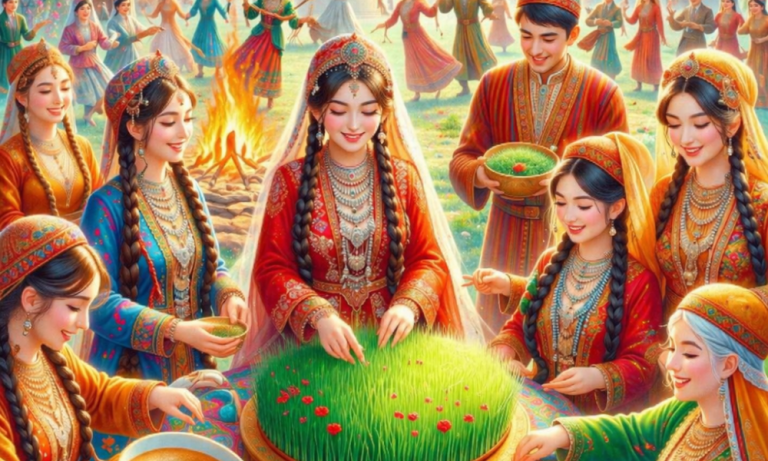
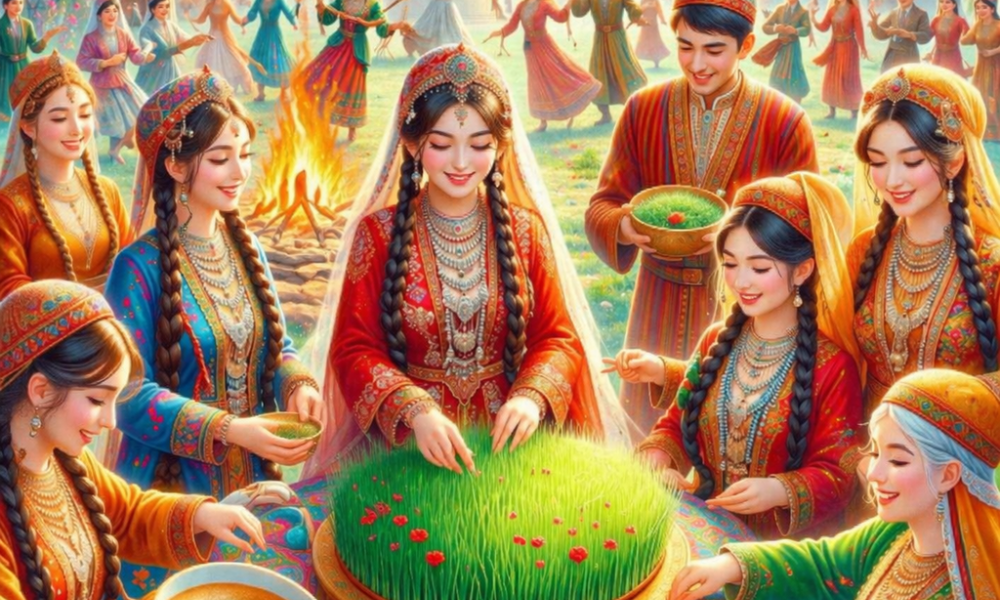
People wear traditional Turkmen attire, often brightly colored and intricately embroidered. Women adorn themselves with beautiful jewelry, while men wear traditional hats and garments that reflect their heritage. These outfits are not just clothing but a proud representation of Turkmenistan cultural traditions.
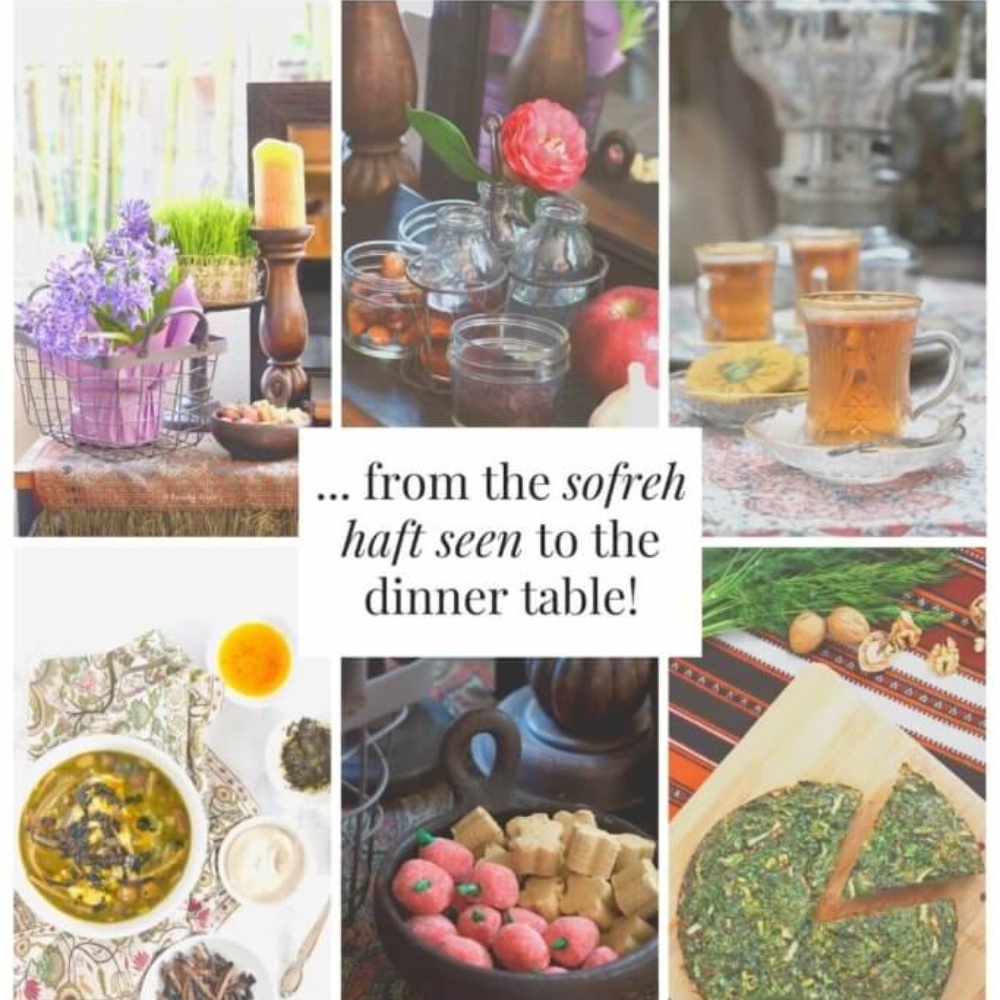
A key ritual during Navroz is the preparation of traditional foods. One of the most famous dishes is “Semeni” (also known as Sumalak), made from sprouted wheat. This dish symbolizes abundance, fertility, and the sweetness of life. Families and communities gather to cook it together, often singing songs and sharing stories throughout the night.
Cultural Activities and Festivities
Navroz celebrations in Turkmenistan are filled with cultural performances and activities that highlight the nation’s rich heritage. Traditional music and dance play a central role. Folk dances, often performed in groups, showcase rhythmic movements and colorful costumes that captivate audiences.
One of the highlights of the festival is the performance of traditional Turkmen games and sports. Horse racing, wrestling, and other competitions are organized in various parts of the country. These events not only entertain but also preserve ancient traditions that are integral to Turkmenistan cultural traditions.
Public squares and parks are decorated with festive elements, and large gatherings are held where people come together to celebrate. Art exhibitions, handicraft displays, and cultural shows are organized to promote local talent and craftsmanship.
The Role of Community and Family
Navroz is a time for strengthening bonds within families and communities. People visit relatives, friends, and neighbors, exchanging greetings and gifts. Elders are given special respect, and their blessings are sought for a prosperous year ahead.
Children play an active role in the celebrations, participating in games and learning about their cultural heritage. This intergenerational exchange ensures that Turkmenistan cultural traditions continue to thrive.
Community feasts are a common sight during Navroz. Long tables filled with traditional dishes bring people together, fostering a sense of unity and belonging. Sharing food is considered a sacred act, symbolizing generosity and hospitality.
Symbolism and Cultural Meaning
Every aspect of Navroz carries deep symbolic meaning. The use of green sprouts, fresh flowers, and natural elements represents growth and renewal. Fire and water, often used in rituals, symbolize purification and life.
In Turkmenistan, Navroz also reflects the country’s connection to its historical roots. The festival has influences from ancient Zoroastrian traditions, where nature and the elements were deeply revered. Over time, these influences have blended with local customs to create a unique celebration that defines Turkmenistan cultural traditions.
Modern Celebrations with Traditional Roots
While Navroz has ancient origins, its celebration in 2026 reflects a blend of tradition and modernity. The government of Turkmenistan actively promotes the festival, organizing large-scale events and encouraging cultural participation.
Cities like Ashgabat host grand celebrations with concerts, parades, and official ceremonies. At the same time, rural areas maintain more traditional forms of celebration, preserving the authenticity of the festival.
Social media and digital platforms have also played a role in spreading awareness about Navroz. People share photos, videos, and stories, showcasing the beauty of Turkmenistan cultural traditions to a global audience.
Tourism and Global Recognition
Navroz has gained international recognition and is listed as an intangible cultural heritage by UNESCO. This has boosted tourism in Turkmenistan, attracting visitors who want to experience the festival firsthand.
Tourists during Navroz can witness the richness of Turkmen culture through music, dance, cuisine, and hospitality. The festival serves as a cultural bridge, connecting Turkmenistan with the rest of the world.
Conclusion
Navroz Festival 2026 in Turkmenistan is a magnificent celebration of life, culture, and tradition. It reflects the essence of Turkmenistan cultural traditions, bringing together history, community, and the beauty of nature.
From traditional rituals and delicious cuisine to vibrant performances and heartfelt gatherings, Navroz is a festival that embodies joy and unity. As Turkmenistan continues to embrace modernity, it remains deeply connected to its roots, ensuring that the spirit of Navroz lives on for generations to come.
This festival is not just a celebration—it is a reminder of the enduring strength and richness of Turkmenistan cultural traditions, making Navroz a truly unforgettable experience
About the Author
Hetanshree Maheta