Rashtriya Ekta Diwas 2025 (National Unity Day) : PM Modi Reflects on Sardar Patel’s Vision of a United Kashmir
Introduction
Rashtriya Ekta Diwas, also known as National Unity Day, is observed every year on October 31 to commemorate the birth anniversary of Sardar Vallabhbhai Patel, one of India’s most respected leaders and the country’s first Deputy Prime Minister and Home Minister. In 2025, the occasion once again served as a moment of national reflection, as Prime Minister Narendra Modi highlighted Sardar Patel’s enduring vision of unity, integrity, and a fully united India, including his perspective on Kashmir.
The day is not merely ceremonial; it is a reminder of India’s complex history, its diversity, and the continuous effort required to preserve national unity.
Significance of Rashtriya Ekta Diwas
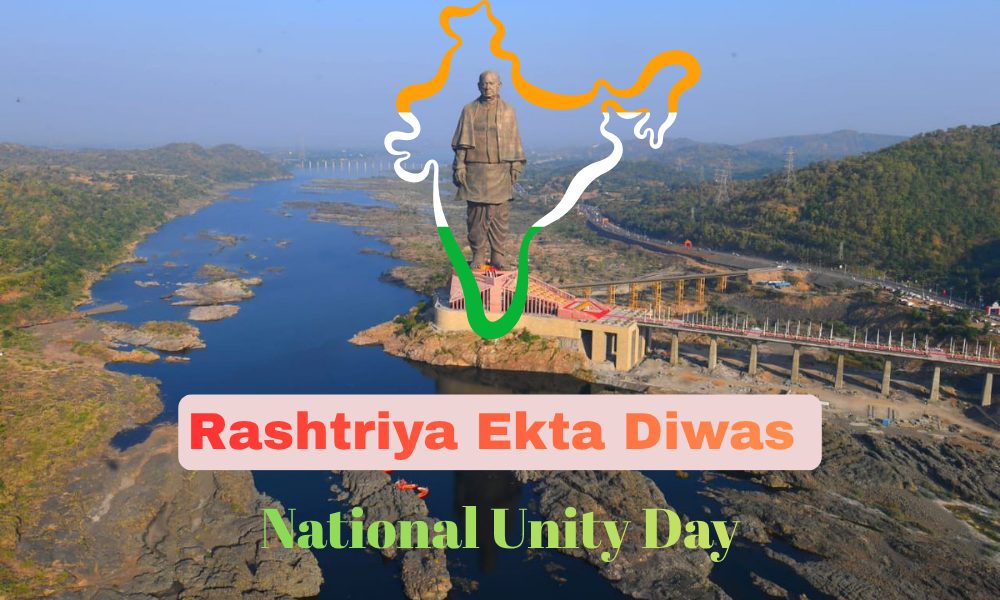
Rashtriya Ekta Diwas was officially introduced in 2014 to honour Sardar Patel’s unparalleled contribution to India’s unification after independence. At a time when the nation faced the challenge of integrating more than 560 princely states, Patel’s leadership, determination, and diplomacy ensured that India emerged as a cohesive and sovereign nation.
National Unity Day encourages citizens to reflect on:
- The importance of unity in diversity
- National integrity and social harmony
- Collective responsibility toward the nation
Each year, the day is marked by unity runs, public pledges, educational programs, and official ceremonies across the country.
Sardar Vallabhbhai Patel: The Architect of Unity
Sardar Patel is widely remembered as the “Iron Man of India” for his firm yet pragmatic approach to nation-building. His role in integrating princely states such as Hyderabad, Junagadh, and others was critical in shaping modern India.
Patel firmly believed that political unity was essential for India’s stability, security, and progress. His vision extended beyond administrative borders—it was rooted in the idea of emotional and constitutional unity, where every region and community felt an equal sense of belonging.
His views on Kashmir, like his broader national outlook, were guided by sovereignty, integration, and long-term national interest.
PM Modi’s Reflections on Sardar Patel’s Vision
On Rashtriya Ekta Diwas 2025, Prime Minister Narendra Modi reflected on Sardar Patel’s legacy and reiterated his belief that Patel envisioned a strong, united, and indivisible India. In his address, the Prime Minister highlighted that Patel’s commitment to national unity included regions that faced political complexity, such as Jammu and Kashmir.
PM Modi emphasized that Patel viewed unity not as a slogan but as a practical necessity for India’s growth and security. According to the Prime Minister, Patel’s approach combined firmness with dialogue, ensuring that unity was achieved through constitutional means and national consensus.
These reflections were positioned within the broader narrative of India’s ongoing efforts to strengthen integration and development across all regions.
Kashmir and the Idea of National Unity
Jammu and Kashmir has historically occupied a sensitive and significant place in India’s political and strategic landscape. Discussions around the region often intersect with themes of sovereignty, governance, development, and national security.
By invoking Sardar Patel’s vision, PM Modi framed the discussion around Kashmir within the larger historical context of India’s unification. The emphasis was on viewing unity as a continuous process rather than a single event, requiring governance, inclusion, and development.
The Prime Minister’s remarks focused on:
- National integration through constitutional frameworks
- Development as a pillar of unity
- Equal opportunities for all citizens
This approach aligns with the broader narrative of linking unity with progress and stability.
Statue of Unity and Symbolism
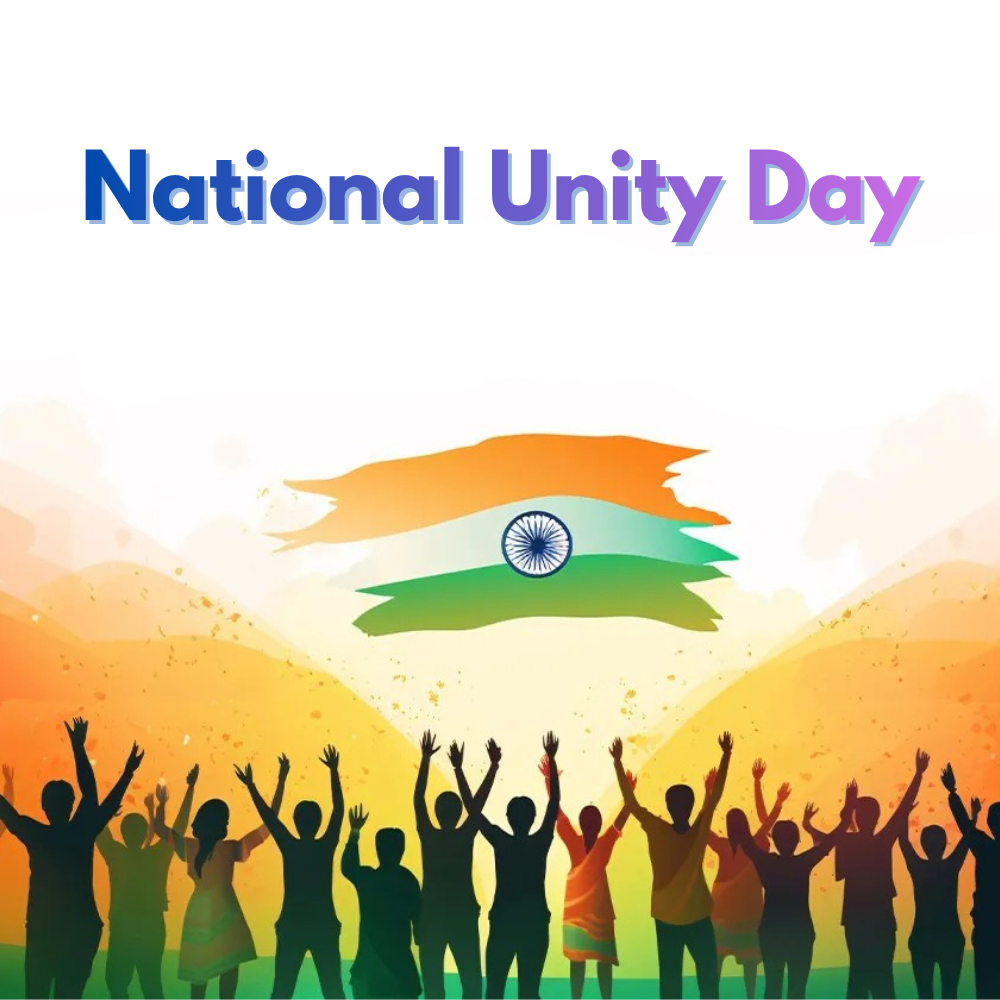
The Statue of Unity in Gujarat, the world’s tallest statue, stands as a powerful symbol of Sardar Patel’s legacy. Each year, Rashtriya Ekta Diwas celebrations around the statue reinforce the message of unity and collective strength.
In 2025, events surrounding National Unity Day once again highlighted how Patel’s ideals continue to inspire governance, leadership, and national identity. The statue serves as a reminder that unity is both a historical achievement and an ongoing responsibility.
Unity in Diversity: India’s Enduring Strength
India’s unity is unique because it exists alongside immense diversity—languages, religions, cultures, and traditions. Rashtriya Ekta Diwas emphasizes that unity does not mean uniformity. Instead, it means respecting differences while upholding shared constitutional values.
PM Modi’s address echoed this sentiment by underlining that national unity is strongest when every citizen feels included in the nation’s progress. The vision attributed to Sardar Patel reinforces this idea of inclusive nationalism.
Why Rashtriya Ekta Diwas Matters Today
In a rapidly changing world, where societies face polarization, misinformation, and geopolitical challenges, National Unity Day holds increasing relevance. It reminds citizens that unity is foundational to democracy, development, and national resilience.
For younger generations, the day offers an opportunity to:
- Learn about India’s freedom movement and post-independence challenges
- Understand the importance of leadership and decision-making
- Reflect on their role in maintaining social harmony
Educational institutions and public forums play a key role in carrying forward these values.
Looking Ahead: Unity as a Living Principle
Rashtriya Ekta Diwas 2025 reinforces the idea that unity is not a finished chapter in India’s history—it is a living principle. As India continues its journey toward economic growth and global leadership, the ideals of Sardar Vallabhbhai Patel remain deeply relevant.
PM Modi’s reflections serve as a reminder that unity requires continuous effort, dialogue, and trust between the state and its citizens. Whether through governance, development initiatives, or social engagement, the spirit of unity must guide the nation forward.
Conclusion
Rashtriya Ekta Diwas 2025 stands as a tribute to Sardar Vallabhbhai Patel’s vision of a united India and a reminder of the values that hold the nation together. Prime Minister Narendra Modi’s reflections on Patel’s outlook, including his perspective on Kashmir, place national unity at the heart of India’s democratic and developmental journey.
As India moves ahead, the message of National Unity Day remains clear: unity is strength, diversity is identity, and collective responsibility is the path to a resilient and inclusive nation.
About the Author
Kinjal is a professional content creator with a passion for turning thoughts and ideas into engaging, impactful words. She enjoys exploring a wide range of topics and brings creativity, clarity, and enthusiasm to everything she writes.