Srinagar Tulip Garden Visitors: Explore Asia’s Largest in Full Bloom
Introduction
Every spring, the breathtaking city of Srinagar transforms into a floral paradise as the world-famous Indira Gandhi Memorial Tulip Garden bursts into vibrant colors. Known as Asia’s largest tulip garden, this stunning destination attracts thousands of Srinagar Tulip Garden visitors from across India and around the globe. Nestled at the foothills of the Zabarwan Range and overlooking the serene Dal Lake, the garden offers a mesmerizing experience that perfectly blends nature, beauty, and tranquility.
A Spectacular Spring Attraction
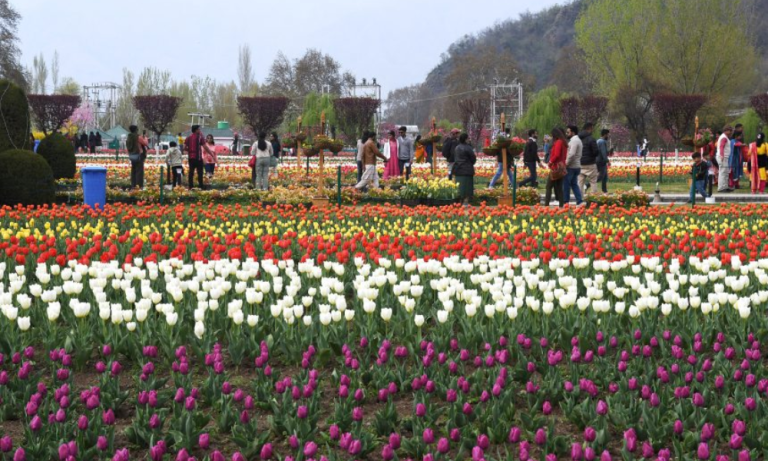
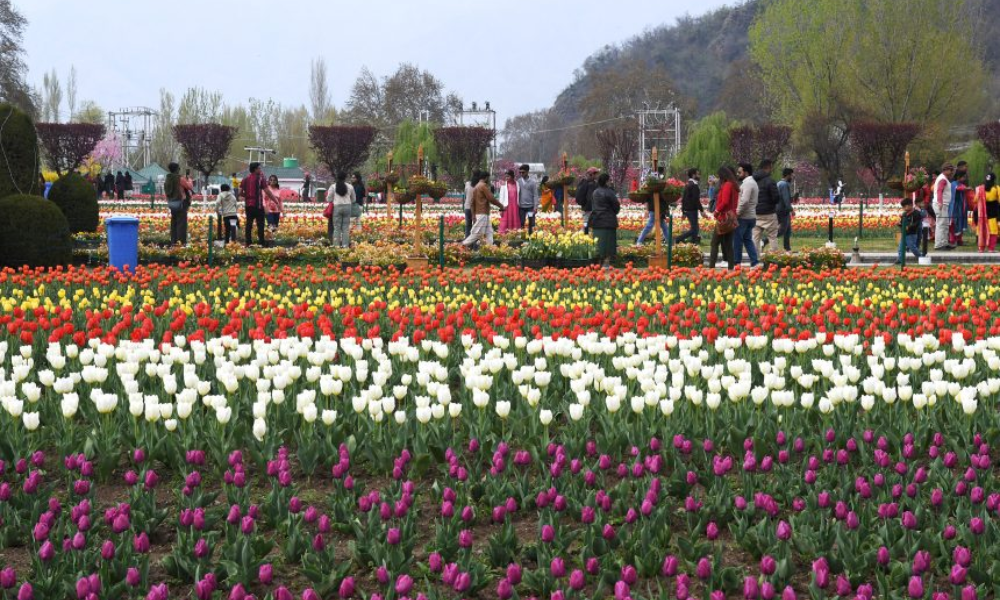
The Indira Gandhi Memorial Tulip Garden opens to the public every year during the spring season, usually from late March to early April. This is when millions of tulips bloom simultaneously, creating a colorful carpet that stretches across vast landscaped terraces. For Srinagar Tulip Garden visitors, this period is nothing short of magical.
The garden showcases over 60 varieties of tulips, along with other flowers like daffodils, hyacinths, and ranunculus. Each section is carefully designed to create a visual masterpiece, making it a paradise for photographers, nature lovers, and travel enthusiasts.
Why Srinagar Tulip Garden is So Popular
One of the main reasons Srinagar Tulip Garden visitors flock to this destination is its sheer scale and beauty. Spread over more than 30 hectares, the garden is recognized as the largest of its kind in Asia. The vibrant colors of tulips set against the backdrop of snow-capped mountains create a picture-perfect setting.
Additionally, the annual Tulip Festival organized here celebrates Kashmiri culture, cuisine, and handicrafts. Visitors can enjoy local music performances, traditional food stalls, and cultural exhibitions, making the experience even more enriching.
Best Time to Visit
Timing is crucial for Srinagar Tulip Garden visitors who want to witness the garden in full bloom. The ideal time to visit is between the last week of March and the first two weeks of April. However, the exact blooming period may vary depending on weather conditions.
Early mornings are the best time to explore the garden, as the soft sunlight enhances the colors of the flowers and the crowd is relatively smaller. Evening visits also offer a unique charm with golden-hour lighting perfect for photography.
How to Reach Srinagar Tulip Garden
Reaching the Indira Gandhi Memorial Tulip Garden is convenient for both domestic and international tourists. The nearest airport is Srinagar International Airport, which is well-connected to major Indian cities. From the airport, visitors can hire taxis or use local transport to reach the garden.
The garden is located just a few kilometers from the city center of Srinagar, making it easily accessible. Many tourists combine their visit with nearby attractions like Dal Lake, Mughal Gardens, and Shankaracharya Temple.
What Srinagar Tulip Garden Visitors Can Expect
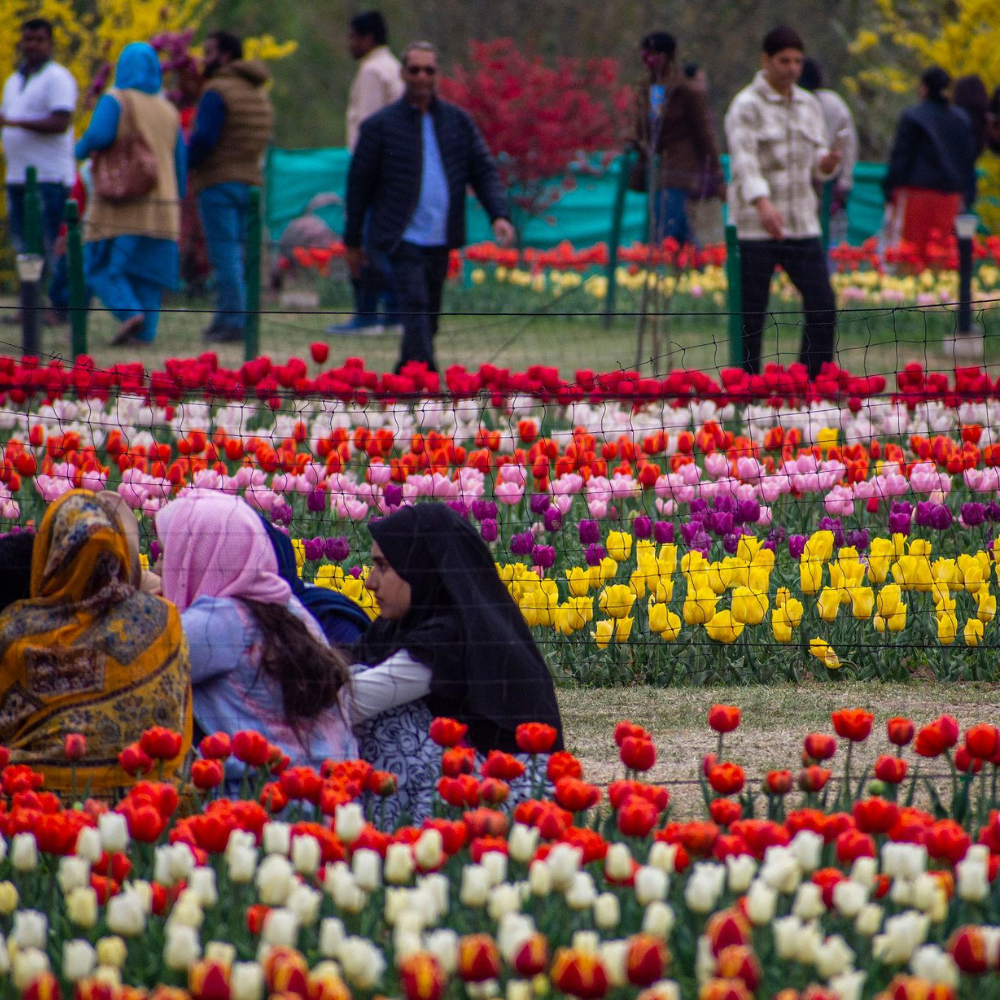
Srinagar Tulip Garden visitors can expect an unforgettable experience filled with natural beauty and serenity. Walking through the neatly arranged rows of tulips, visitors are greeted with a riot of colors—red, yellow, pink, purple, and white.
The garden also provides well-maintained pathways, seating areas, and viewing points, allowing visitors to relax and soak in the scenic views. Photography enthusiasts will find endless opportunities to capture stunning shots.
Travel Tips for Visitors
To make the most of your visit, Srinagar Tulip Garden visitors should keep a few tips in mind:
- Book Early: Spring is peak tourist season in Srinagar, so plan your trip in advance.
- Wear Comfortable Shoes: The garden is विशाल, and exploring it involves a lot of walking.
- Carry Essentials: Sunglasses, sunscreen, and water bottles are recommended.
- Follow Rules: Avoid stepping on flower beds and maintain cleanliness.
- Check Bloom Updates: Stay updated on bloom status before planning your visit.
Nearby Attractions to Explore
Srinagar Tulip Garden visitors can enhance their trip by exploring nearby attractions. The iconic Dal Lake offers shikara rides and houseboat stays, providing a unique experience of Kashmiri culture. The Mughal Gardens, including Nishat Bagh and Shalimar Bagh, showcase classic Persian-style landscaping.
Visitors can also explore local markets in Srinagar to shop for traditional Kashmiri handicrafts, such as Pashmina shawls, carpets, and dry fruits.
Cultural and Economic Significance
The Indira Gandhi Memorial Tulip Garden plays a significant role in promoting tourism in Jammu and Kashmir. It attracts thousands of visitors every year, contributing to the local economy and creating employment opportunities.
For Srinagar Tulip Garden visitors, the experience goes beyond sightseeing—it offers a glimpse into the rich culture and hospitality of Kashmir. The Tulip Festival, in particular, highlights the region’s traditions and artistic heritage.
A Photographer’s Paradise
For photographers, the garden is a dream destination. The combination of vibrant tulips, scenic landscapes, and natural lighting provides perfect conditions for capturing stunning images. Whether you are a professional photographer or a casual traveler, the garden offers countless photo opportunities.
From wide-angle shots of colorful fields to close-up images of delicate petals, every corner of the garden is picture-worthy.
Conclusion
Srinagar Tulip Garden visitors are treated to one of the most spectacular floral displays in the world. As Asia’s largest tulip garden, the Indira Gandhi Memorial Tulip Garden stands as a symbol of natural beauty and cultural richness.
Whether you are a nature lover, a travel enthusiast, or someone looking for a peaceful escape, this destination offers an unforgettable experience. Plan your visit during the blooming season and immerse yourself in the vibrant colors and serene atmosphere of Srinagar.
Explore, experience, and create lasting memories at this extraordinary garden—where nature truly comes alive in full bloom.
About the Author
Hetanshree