The Conversations We Practice in Our Heads But Never Say Aloud
Introduction
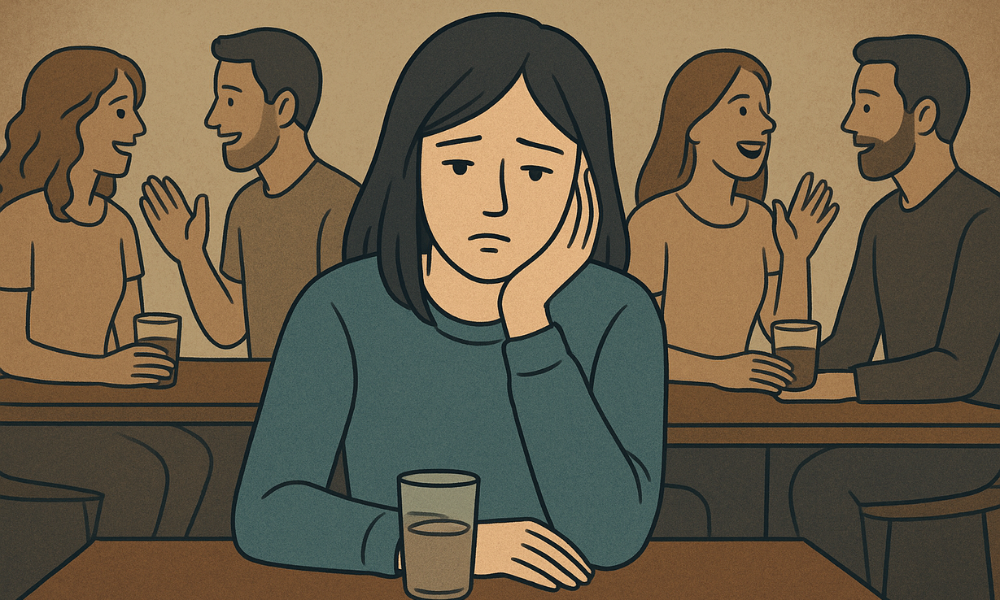
An honest conversation can be one of the most honest conversations you will ever have—only in your head. We imagine saying all sorts of things, whether they are good or bad—fearful, truthful, frustrating, loving—but these things are never heard by anyone else except ourselves. The dialog that remains takes on a form that reveals to the person expressing it very powerfully and directly the differences between who they are and who they are trying to portray to the world. These conversations lack filter and provide deeper insight into who the speaker is than the actual conversations they have had. Perhaps this is part of the importance of these conversations.
The Versions of the Conversation Where We’re Braver
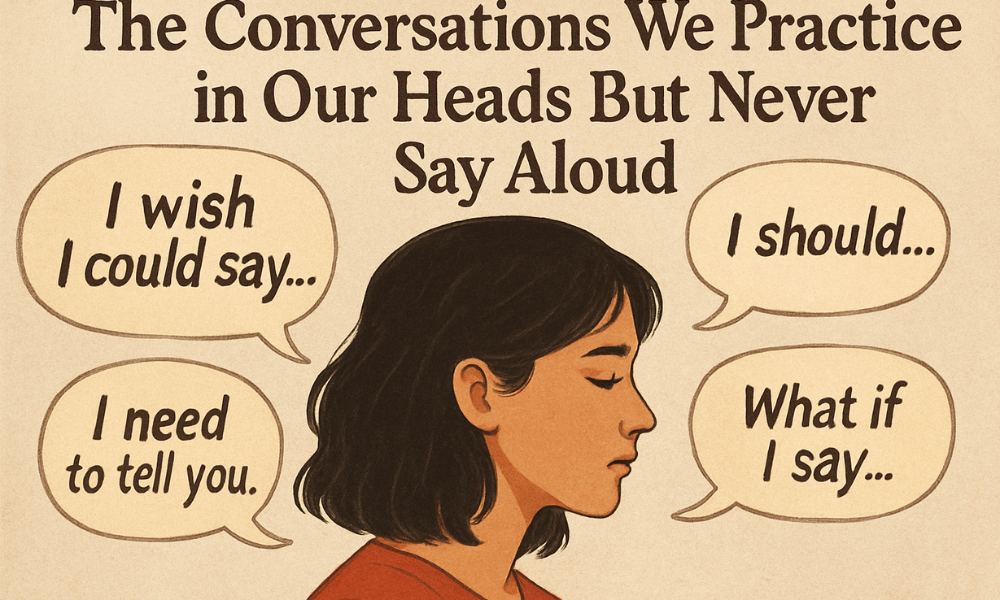
There are moments when we create imaginary conversations in our minds where we are much more courageous than how we actually would have responded in the real world. In these conversations within our minds, we are completely free to express ourselves honestly, candidly without fear or apology and unequivocal about our feelings and intent. We stand up for ourselves, ask the uncomfortable questions that would be too difficult to ask otherwise, and set emotional boundaries that we fear express in person. The imagined conversation or dialogue provides evidence of the person you want to be, one who knows how to resolve conflict or who can admit their weaknesses, as well as the courage you have always had but didn’t know how to fully embrace, until now. Although you may never physically have these types of verbal exchanges in the real world, the imagined conversation will provide insights into what is truly important to you, where you are hurt, and what you want to finally get out.
We internally create arguments but avoid speaking them to others
When we are experiencing tension with an individual, our minds begin rehearing the argument long before we actually say anything. We think from both perspectives: what the other person may say and how we would defend ourselves. In our minds, the argument makes complete sense, with logical and thorough explanations. When actually arguing, however, our emotions will often compound the argument, which may lead us to select silence over confrontation. The fact that we rehearse arguments in our own minds tells us that we want others to understand who we are but are afraid of causing an even greater misunderstanding or hurting the individual. We often try to favour peace instead of telling the truth, even if that peace brings about a heavy silence. The rehearsed arguments that remain unsent or unspoken indicate that a huge emotional knot is tied inside of us; we have no idea how to unravel the knot. Additionally, these rehearsed arguments reveal that getting to the emotional connection with another individual is more important than a single argument, and the fear of losing that connection far exceeds any concern regarding a loss in an argument.

Tender Words That We Don’t Share with Each Other for Fear of How They Will React
There are many heartfelt conversations that we have in our minds that never see the light of day. We think we should tell people that we miss them, that we are proud of them, that we’re sorry, etc., but we never do because we don’t know how they will take our words (and we don’t want to be vulnerable). We keep these tender thoughts bottled up in our own minds to think about when no one is listening, and these unexpressed feelings are often where we find our most profound emotional truths — how we love, how guilty we feel and how thankful we are. While being silent may provide us with protection, it can also cause a lot of pain because important feelings go unshared and can create emotional distances between us and those we are closest to.
The Drafts We Don’t Send – Emotional Storage Rooms
Most people have a number of drafts they never send. These include the midnight text messages, multiple paragraphs that were typed and then deleted, and text messages that are saved somewhere in our mobile phones, similar to unopened boxes. The unsent messages build emotional storage rooms, where all of the emotions that we cannot yet articulate are stored: such as feelings of anger, hope, need for closure, longing for someone or something, or messages of gratitude. The unsent message represents conversations that could have occurred but feel like we would be in unfamiliar territory if we did express them. Drafts also provide us with a way to have a therapeutic outlet for our feelings without repercussions; while some unsent messages represent our feelings towards someone to whom we no longer have a relationship with nor have moved past. Ultimately, the unsent message provides a glimpse into who we are and what we are struggling to understand about ourselves, our ability to heal, and the characteristics of who we are that we may not be ready to expose to the public.
Conclusion
In numerous instances, internal dialogues demonstrate our essence by revealing who we are and what motivates us through their fears, ambitions, guilt, and love. Thus, these internal dialogues can be regarded not as an indication of weakness, but rather a testament to our emotional attachment to a circumstance at the time. Eventually, as time progresses, several unexpressed thoughts can achieve spoken expression, depending on our readiness and the necessity.