The Rituals We Create Without Realizing
Introduction
Some of our repeated habits are more than just repetitive activities; they are a subconscious part of our lives, acting as emotional anchors. The way we begin each day, our pre-sleep rituals, and the routines we follow when we feel stressed impact how we navigate life on a daily basis. These rituals often develop from comfort, memory, or the desire for stability. We usually do not recognize the importance of these rituals until we take the time and notice them.
Grounding Everyday with the Quiet Routines We Develop
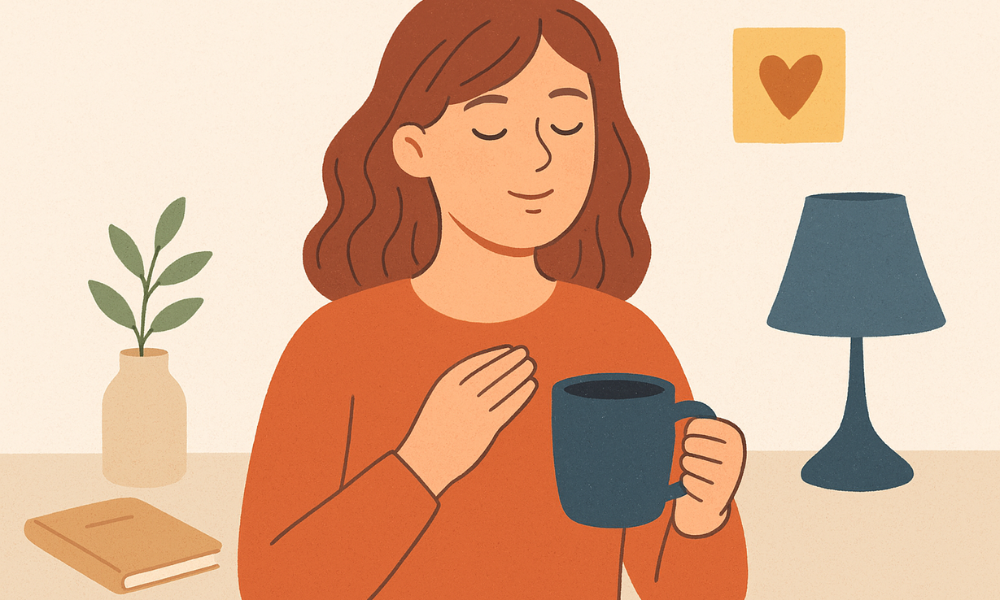
Many daily habits are developed due to choose. As humans, we need that little something like a cup of coffee or a specific workout playlist to give us the sensation of having some semblance of control in our days. Making the right choices creates a routine for us, even if it does not seem to have any significance when doing so. However, these small routines create invisible glue that binds our day together and gives us something solid to hold onto during the unknown of each day. Even though we do not necessarily protect our routines, it can feel unsettling if we are unable to follow through with the routines we have created. Routines serve as our mental locus, reminding us that regardless of how chaotic our day is, we can always return to what we know. Daily routines offer a gentle reminder to ourselves that we are familiar with the current situation and that we are capable of making it through the day.
The Meaning of An Object As A Tradition
It is ironic that some objects have evolved from being ‘things’ to becoming companions to a person emotionally. We reach for that specific mug, that well-used journal, that pen or that playlist we turn to when we are in a particular mood – over time, these objects start to develop their own ‘traditions’ (although we haven’t necessarily planned them). And then one day it hits us, “I always go to this when I’m in need of comfort”! The predictability of these items in a constantly changing world offers us reassurance through tiny memories, rituals, and memories. They have a unique type of energy, which provides us with a sense of ‘grounding’ without needing to be spoken or explained; they allow us to be who we were at that moment in time, not just now. Even when we can’t replace them because they remind us of who we were then, they are still our silent witnesses to our emotional lives.

The Moments We Repeat Without Question
Many small and inconsequential actions become routines or habits for us because they give us some level of comfort or security. Some of these actions or behaviors include checking to see that your door is locked twice, looking at a particular part of your bedroom after turning out the light before sleep, reading a positive or reassuring text message you received from a friend or family member, and taking a moment to breathe before attempting something challenging. These seemingly trivial yet meaningful actions often provide us with solace and help prepare us for whatever we’re going to take on that day; many people probably don’t even know when they started doing any particular act, just that it gives them added confidence in their day-to-day routine. As such, these habitual practices provide a level of comfort or security for individuals who may feel that they don’t have enough emotional strength to cope with all of the stresses in their lives. Many people will probably think some of these habits are silly or don’t make sense; nevertheless, to the individual who performs this type of habitual behavior, he/she believes that he/she is human and these small rituals give them the emotional support they need to persevere through life and everything that life brings.
Routine Behaviours That Provide Emotional Connections
Many routine behaviours stem from lost/emotional memories associated with lost or distant memories; this could be in part due to a song that reminds us of a loved one or a behaviour that we learnt from someone important to us or a method of organising that was learnt while we lived with our families. These rituals represent the past and remain with us as an emotional connection to our past, present and potential future choices of who we are and who we become. Even after the person or place associated with these behaviours is no longer a part of our everyday life, these behaviours remain with us due to the emotional connection we formed with them. They provide warmth, nostalgia and sometimes; they remind us of a comforting part of our emotions that we are unaware we are holding. As a result, we may not be able to consciously identify the fact that we are reliant on them for some level of emotional support as well as protection for the memory we hold gently within us.
Conclusion
Ultimately, the unintentional rituals we form are not merely habits; they are representations of the items we want, the things we feel loss for and that provide emotional stability in our lives. The rituals are great reflections of how we long to have a home within ourselves. Rituals are much like the parts of ourselves that we are not able to express verbally and that guide us on a daily basis. As we go through the process of being aware of the rituals in our life, we learn more about our own individual needs, how things remind us of different memories from our past and the things we carry with us over our lives. Maybe this is why these unnoticed rituals have some sort of beauty in our lives, because as we continue to create them, we continue to build a sense of taking care of ourselves through the smallest of actions we take.