What Would Happen If We Could Pause Time—but Only Once
Introduction
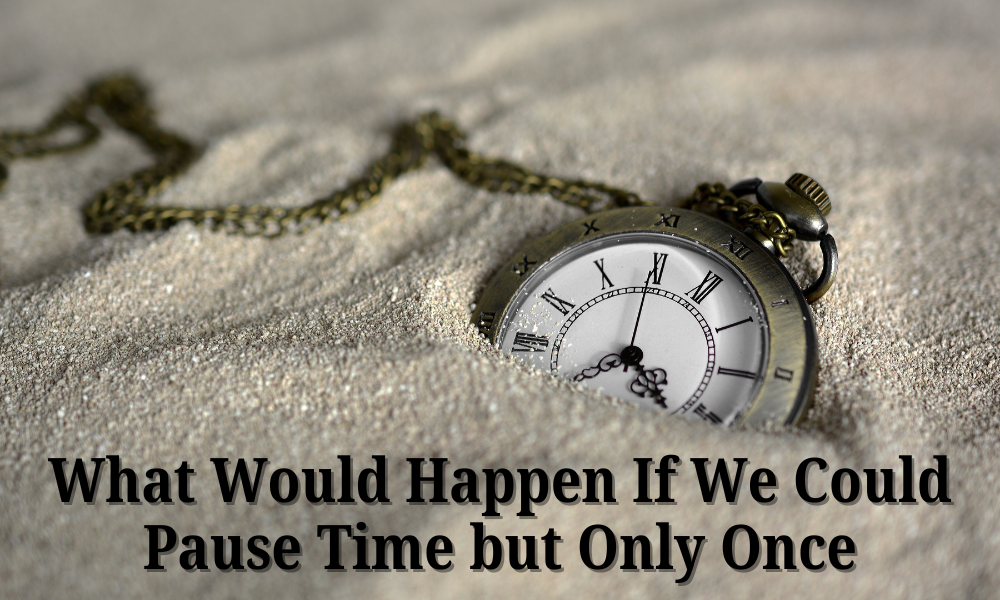
Imagine having a unique power that no one else possesses, an incredible advantage that no one else has. The power is a single moment of time when the world stops moving. After that moment in time, everything will begin again and nothing will ever go backward again. In this moment without time, every decision we make will carry more weight, every moment will be more significant. This moment represents not only a great deal of power, but also a chance for us to make choices based upon our own personal truth and our own unique situation and experience. Would we choose to remedy a problem in our life, flee from a problem in our life, or confront our own inner self during this moment in time?
The Hardest Thing About Stopping Time
If there were a chance to stop time just once, the biggest challenge would not be stopping time, but deciding on a specific moment in time. The moment we select would say everything about what truly matters to us. For some people, the moment of heartbreak may seem to be the easiest choice, to attempt to stop time from running out on something that meant so much to them. Others may stop time during a period of chaos and confusion in their lives, out of a desire to gain control. Few people would select a point in time when they are feeling happy to stop time because they feel their joy is fully realised. The moment chosen to stop time would say many things about who we truly are, more than any confession could ever do. By selecting a moment in time, we would also confront the reality of ourselves—what we fear—and the things that we want to say, but either cannot or do not for various reasons.
A World At Rest
Once everything has come to a halt, that still, frozen time will not occur in silence, rather, it will come across as being extremely loud. There will be no deadlines, no pressure or expectations upon us and no one there to witness our actions, so we will have sufficient time to conduct ourselves in a more forthright manner, free of any pressures. There will be those among us that want to be active, like moving items around, writing letters, or setting up situations so when time begins moving again, those situations will be played out in different ways. Others will simply observe, looking at the faces around them and examining the smallest details they’ve rushed through all their lives. Some will not bother with anything, but will take the opportunity to rest their minds and bodies for the first time in their lives and not feel any guilt about it. The time period during which the world is frozen will provide a true reflection of who we are as individuals, without the pressures of time or consequence. Whenever consequences or an individual’s need to gain approval are eliminated from these types of actions, the actions will be based on truth rather than fear. This may create a discomfort in our own lives that is greater than the chaos created in the ordinary time period.
The Burden of Being the only One Moving in a Frozen World
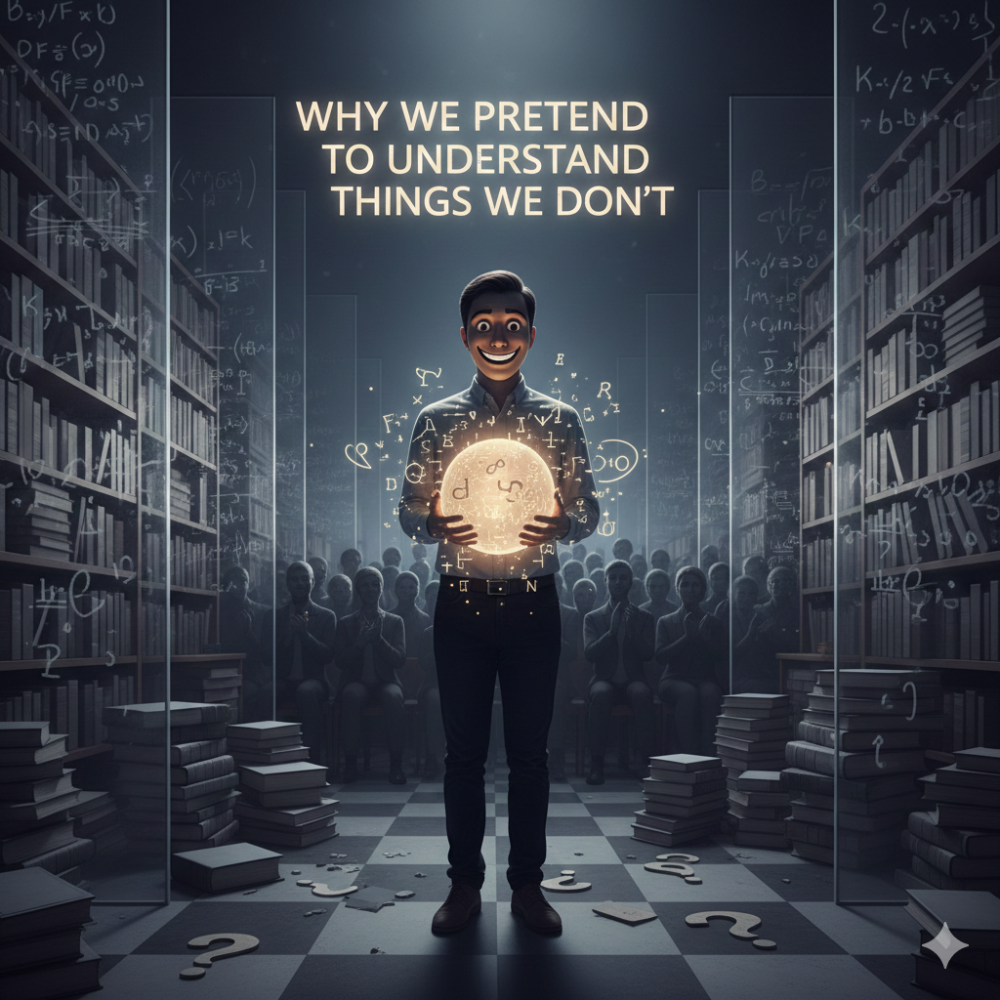
At first, being the only one not frozen while everything around you stays frozen may seem like a thrilling experience, but it quickly would become clear that being the only person moving makes you completely alone. Every laugh, thought and step will echo back with no response. There will be no validation, nor will there be an opportunity to create a shared experience—it’ll just be you and your mind; therefore, you may initially find it empowering to have the ability to change other people’s lives without their knowledge, yet shortly thereafter it will begin to feel burdensome and possibly wrong. You will learn that true fulfilment comes from interacting with other people and not through some form of control. Since everyone around you will be asleep, you will now be completely responsible for any decision you made, and even the simplest act of moving will have significant emotional weight because the person with whom you are co-creating the moment will be unable to consent, respond, or even remember what happened. In this frozen state, power will turn into loneliness and freedom will become a burden.
Reinitializing Time…. The Start Is Difficult.
The pressing of the “play” button will be very hard to do after having been able to witness life without experiences such as motion, sound, and resistance. The knowledge gained through during the experience will be far greater than what any other person gains through their subsequent experience with it. They will not be able to fathom the memories you gained from the experience, or the new experiences (safeguards) you used to gain those memories. When you press the play button, you are also saying goodbye to the moment you truly needed, and everything you left uncorrected will now have to be lived with. Regardless of the outcome, our experience with it will have left us with an imprint—very quiet—on us. When we return to our normal lives, we will perceive the same times having occurred in our lives as though they happened as before, but we will have a greater understanding of what has occurred in those times. After having experienced time stopping, life will continue on as if nothing happened; however, each second will have the same importance and permanence as each second has in the past.
Conclusion
Ultimately, the potential to stop time only once does not relate to the external world; it is about knowing oneself. The breakdown of one single pause is an opportunity to confront the things we avoid, cling to or fear losing. Our perception of time as being most valuable stems from its progression without delay toward the future, regardless of our state of preparedness. Therefore, perhaps the most important realization is that we do not need time to stop in order to make a meaningful choice. Each moment in your daily life is, in its own right, a single irreversible pause—they each impart an immense significance upon each moment that encompasses the action of a pause—and to live well, we must act as if we will not receive a second chance; we often do not have another opportunity.