Data Is the New Rent: Why Businesses Are Paying More for Information Than Office Space
Introduction
A few a long time back, if you inquired a commerce proprietor about their greatest cost, the reply would as a rule be simple—rent.
Office lease, shop lease, distribution center lease. Physical space was everything.
Today, that reply is unobtrusively changing.
For numerous businesses—especially advanced ones—the greatest continuous toll isn’t space anymore.
It’s data.
Not fair web bills, but everything around it:
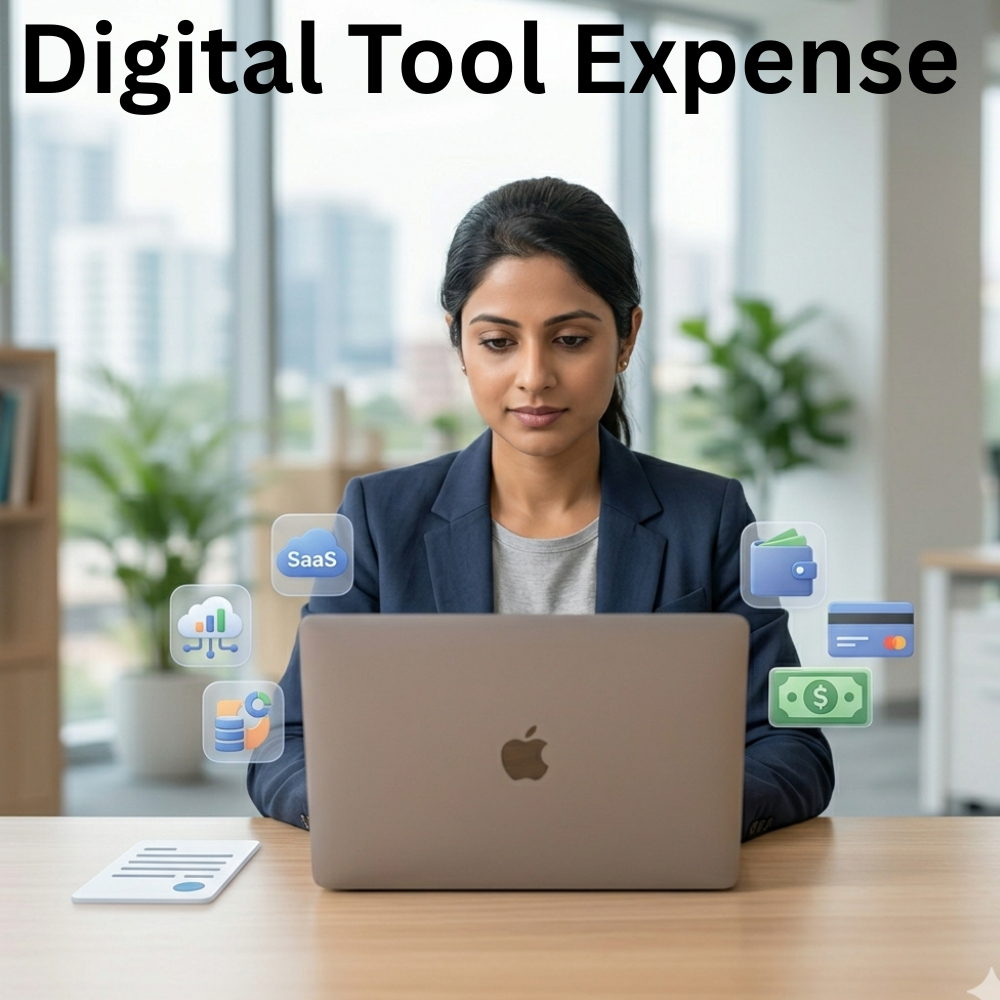
Software subscriptions
Analytics tools
Cloud storage
Customer information platforms
In a way, businesses are presently paying “rent”… fair not for a building
They’re paying for information.
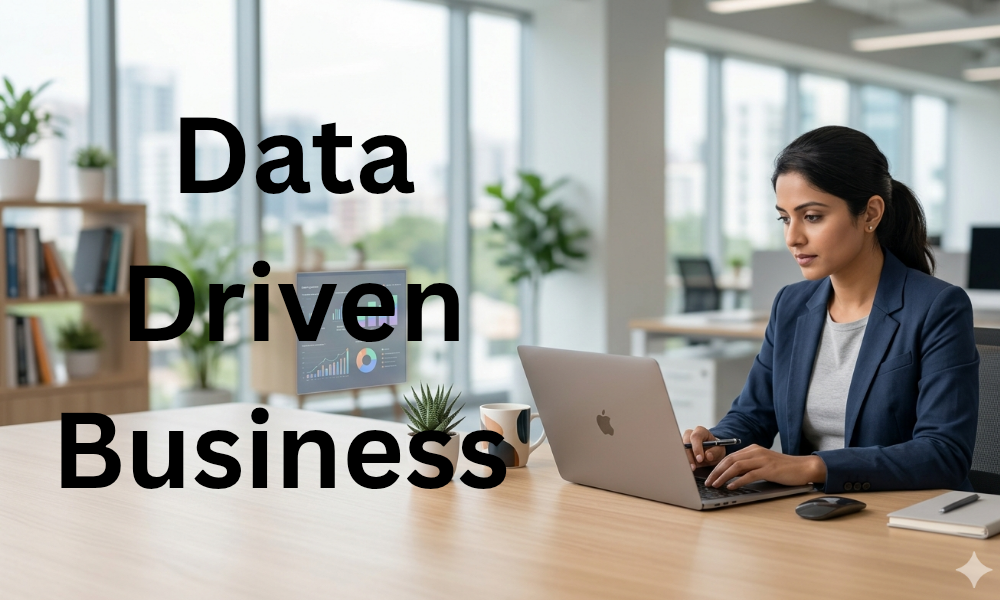
What Do We Cruel by “Data Is the Unused Rent”?
Think of it like this.
Earlier:
You paid for a physical area to run your Business
Now:
You pay for computerized devices and information frameworks to work daily
And fair like lease, these costs are:
- Recurring
- Necessary
- Hard to avoid
You halt paying lease → you lose your space
You halt paying for tools/data → your trade moderates down or stops working properly
Where This “Data Cost” Really Goes
It’s not continuously self-evident, but most businesses nowadays are investing in information in numerous ways.
1. Computer program and Tools
Almost each work presently depends on a few tools.
For example:
Marketing → mail stages, advertisement managers
Sales → CRM systems
Content → plan and composing tools
Finance → bookkeeping software
Most of these come with month to month or annual subscriptions.
Individually, they appear manageable.
Together, they ended up with a critical cost.
2. Cloud Storage
Gone are the days of putting away everything on a single computer.
Now businesses utilize cloud stages to:
- Store files
- Share documents
- Backup data
And as information develops, so does the cost.
Photos, recordings, client records—it all includes up.
3. Analytics and Insights
Data is not fair stored—it’s analyzed.
Businesses contribute in apparatuses to understand:
- Customer behavior
- Website traffic
- Sales patterns
- Campaign performance
Because without experience, you’re fundamentally guessing.
4. Client Information Platforms
Many businesses presently track:
- Customer preferences
- Purchase history
- Interaction patterns
This makes a difference them:
- Personalize communication
- Improve products
- Increase sales
But collecting and overseeing this information isn’t free.
A Basic Case: Little Trade Reality
Let’s take a little online business.
To begin with, it might appear low-cost.
But see closer.
They might be paying for:
- Instagram ads
- A plan apparatus for posts
- A informing computerization tool
- Cloud capacity for item photos
- An installment door fee
None of these are “rent” in the conventional sense.
But they are all fundamental to running the business.
And they’re all recurring.
Why Businesses Are Willing to Pay This
If information costs so much, why not dodge it?
Because nowadays, information is not optional.
It Makes a difference You Make Superior Decisions
Instead of speculating what clients need, you can:
- See what they click
- Track what they buy
- Understand what works
This diminishes risk.
It Spares Time
Automation instruments and information systems:
Reduce manual work
Speed up processes
Improve efficiency
Time spared = cash saved.
It Gives a Competitive Edge
Businesses utilizing information successfully can:
Target clients better
Offer personalized experiences
Adapt quicker to changes
And in a swarmed showcase, that matters.
The Covered up Weight on Little Businesses
While huge companies can bear these apparatuses effectively, little businesses frequently feel the pressure.
Too Numerous Devices, As well Numerous Costs
It begins small:
- One device for marketing
- One for design
- One for communication
Then slowly:
Another apparatus gets added
Then another
Before you know it, month to month costs increment without clear tracking.
Confusion Around What’s Necessary
Not each apparatus is essential.
But with so numerous choices, commerce proprietors regularly feel:
“Maybe I require this too”
“What if I’m lost out?”
This leads to pointless spending.
Dependency on Platforms
When your whole commerce depends on advanced tools:
- Any cost increment influences you
- Any stage issue disturbs work
There’s exceptionally small control.
Are Businesses Overpaying for Data?
In a few cases—yes.
Not since information isn’t important, but because:
- Tools are underused
- Subscriptions are not optimized
- Decisions are made without clear need
For example:
Paying for premium highlights you never use
Subscribing to different instruments that do the same job
Keeping ancient memberships dynamic “just in case”
It’s comparable to leasing an enormous office but utilizing one room.
What Shrewd Businesses Are Doing Differently
The more brilliant approach is not to dodge data—but to utilize it wisely.
1. Keeping It Simple
Instead of utilizing 10 apparatuses, they:
Choose 2–3 that really matter
Focus on learning them well
2. Customary Taken a toll Check
They review:
Monthly subscriptions
Tool usage
Return on investment
And evacuate what’s not needed.
3. Utilizing Information with Purpose
Not collecting information fair for the purpose of it.
But asking:
What do we require to know?
How will this offer assistance us grow?
4. Adjusting Information with Human Insight
Numbers are helpful.
But they don’t tell the full story.
Smart businesses combine:
Data insights
Real client feedback
Personal experience
The Greater Move We’re Seeing
This entire altar reflects something deeper.
Business is no longer fair about:
- Location
- Inventory
- Physical presence
- It’s about:
- Information
- Access
- Understanding customers
And that’s why information has ended up so valuable.
Conclusion
A Little Thought Some time recently You Go
If you think around it, each trade has continuously paid for something to operate.
Earlier, it was space.
Today, it’s systems.
Tomorrow? It might be something else.
But right presently, information is at the center of it all.
And possibly the genuine address isn’t:
> “How much are we investing on data?”
But:
> “Are we really utilizing it in a way that makes it worth the cost?”
Because fair like lease, paying for it is one thing.
Making it work for you—that’s where genuine esteem lies.
About the Author
This article was written by Jhala Nidhiba