McDonald’s Introduces AI-Powered Robots in Restaurants to Revolutionize Customer Experience
Introduction
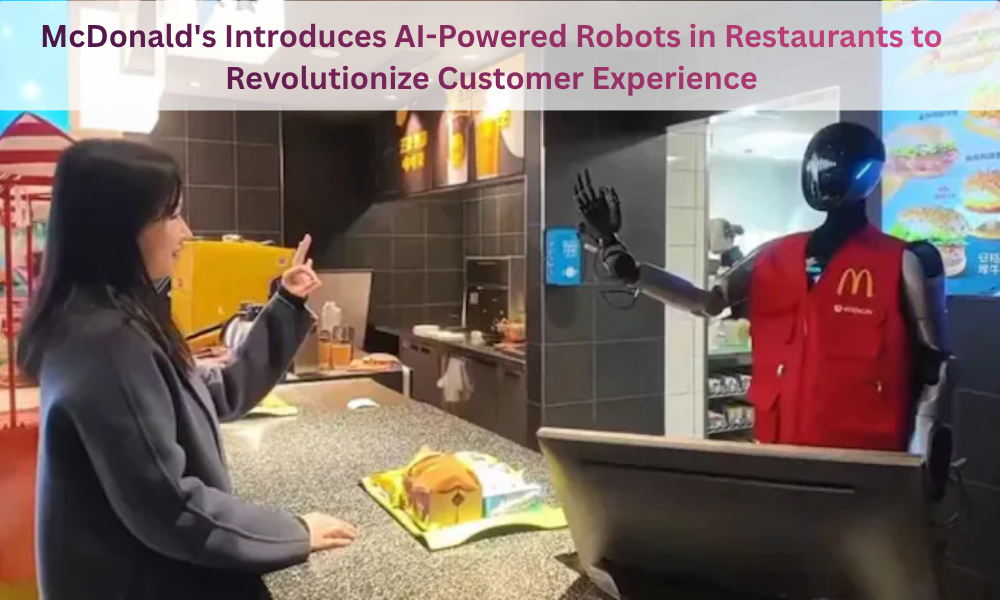
The global fast-food industry is undergoing a dramatic transformation, and McDonald’s is once again leading the way. Known for its innovation and ability to adapt to changing consumer trends, McDonald’s has introduced AI-powered robots in restaurants to revolutionize customer experience. This bold move is not just about automation it represents a complete rethinking of how fast food is prepared, served, and enjoyed in the modern era.
The Rise of AI in Fast Food
Artificial Intelligence (AI) is rapidly changing industries across the world, and the food sector is no exception. From smart kitchens to automated ordering systems, AI is helping businesses improve efficiency, reduce costs, and deliver better service. McDonald’s introduction of AI-powered robots in restaurants marks a significant step forward in this transformation.
These robots are designed to assist with a wide range of tasks, including food preparation, order management, cleaning, and even customer interaction. By integrating advanced AI systems, McDonald’s aims to create a seamless and efficient dining experience that meets the expectations of today’s tech-savvy customers.
How AI-Powered Robots Work in McDonald’s Restaurants
The AI-powered robots introduced by McDonald’s are equipped with cutting-edge technologies such as machine learning, computer vision, and natural language processing. These capabilities allow the robots to understand customer behavior, respond to queries, and perform tasks with precision.
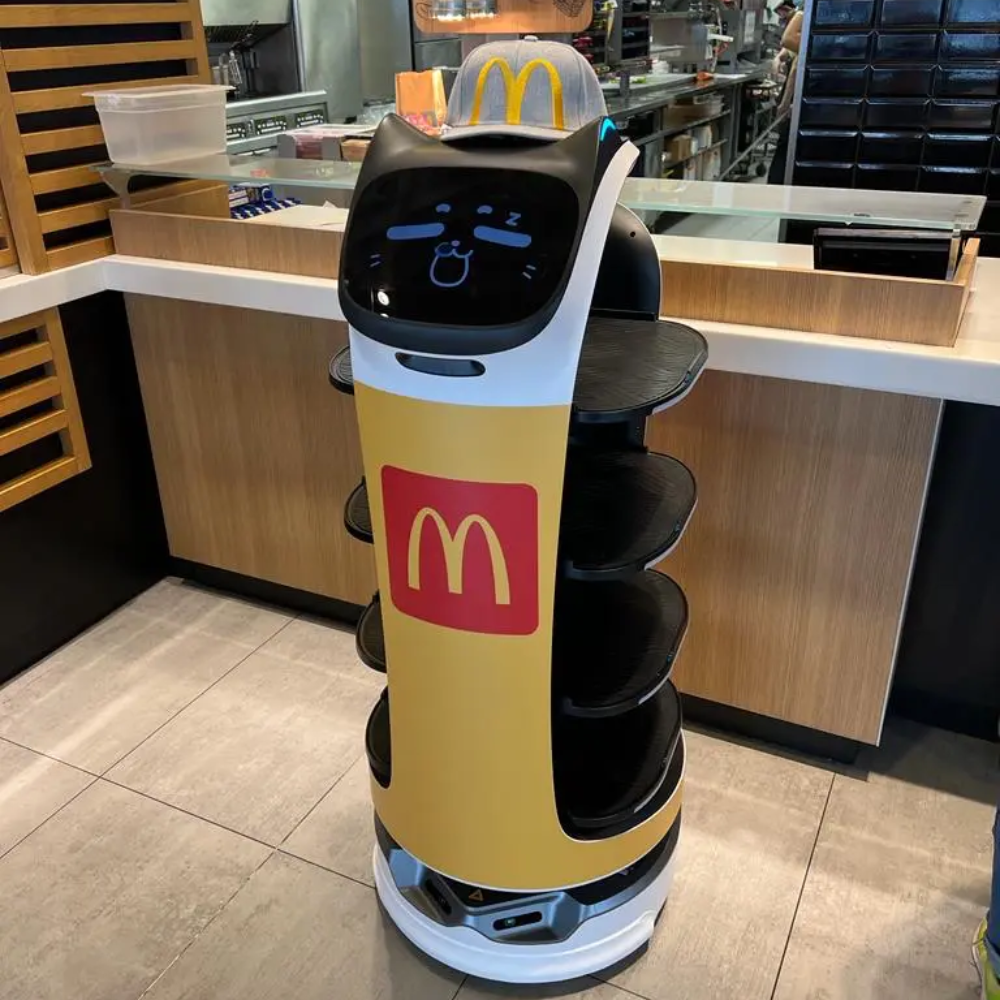
For example, robots can take orders through interactive screens or voice commands, ensuring accuracy and reducing wait times. In the kitchen, robotic systems can assist in cooking processes like frying, flipping burgers, and assembling meals. Additionally, cleaning robots help maintain hygiene standards by continuously sanitizing floors and surfaces.
This level of automation ensures that McDonald’s restaurants operate smoothly, even during peak hours, enhancing both speed and efficiency.
Enhancing Customer Experience
One of the primary goals behind introducing AI-powered robots in McDonald’s restaurants is to enhance customer experience. In today’s fast-paced world, customers value speed, convenience, and accuracy. AI technology helps deliver all three.
With robots handling repetitive tasks, human staff can focus more on customer service, creating a more personalized experience. AI systems can also analyze customer preferences and suggest menu items based on past orders, making the dining experience more engaging and customized.
Furthermore, automated ordering systems reduce errors, ensuring customers receive exactly what they ordered. This leads to higher satisfaction and builds trust in the brand.
Benefits for Business Operations
The introduction of AI-powered robots in McDonald’s restaurants is not just beneficial for customers it also brings significant advantages for business operations.
- Improved Efficiency: Robots can work continuously without fatigue, increasing productivity and reducing delays.
- Cost Reduction: Automation helps lower labor costs and minimizes human errors.
- Consistency: AI ensures that food quality and service standards remain consistent across all locations.
- Data-Driven Decisions: AI systems collect valuable data that can be used to improve menu offerings, pricing strategies, and customer engagement.
By leveraging these benefits, McDonald’s can maintain its competitive edge in the fast-food industry.
Addressing Concerns About Automation
While the use of AI-powered robots in restaurants offers numerous advantages, it also raises concerns about job displacement. Many people worry that automation could replace human workers.
However, McDonald’s has emphasized that these robots are designed to assist employees, not replace them. By handling repetitive and physically demanding tasks, robots allow staff to focus on more meaningful roles such as customer interaction and management.
In fact, the introduction of AI technology may create new job opportunities in areas like robot maintenance, AI system management, and data analysis.
The Future of Fast Food Industry
McDonald’s move to introduce AI-powered robots in restaurants is likely to influence the entire fast-food industry. As competition increases, other brands may adopt similar technologies to stay relevant.
The future of fast food could include fully automated kitchens, drone deliveries, and AI-driven customer service systems. Restaurants may become smarter, faster, and more efficient than ever before.
In this evolving landscape, McDonald’s continues to set the benchmark for innovation, demonstrating how technology can be used to enhance both customer experience and operational efficiency.
Challenges and Considerations
Despite its many benefits, implementing AI-powered robots in restaurants comes with challenges. High initial investment costs, technical issues, and the need for regular maintenance can pose difficulties for businesses.
Additionally, ensuring that AI systems operate ethically and securely is crucial. Data privacy and cybersecurity must be prioritized to protect customer information.
McDonald’s is actively working to address these challenges by investing in research, training, and infrastructure development.
Customer Reactions and Global Impact
The introduction of AI-powered robots in McDonald’s restaurants has generated significant interest worldwide. Customers are curious and excited to experience this new way of dining.
In many locations, robotic systems have already improved service speed and accuracy, leading to positive feedback. Families and young customers, in particular, find the technology engaging and futuristic.
Globally, this innovation positions McDonald’s as a leader in digital transformation, strengthening its brand image and attracting a new generation of customers.
Conclusion
The introduction of AI-powered robots in McDonald’s restaurants marks a new era in the fast-food industry. By combining technology with customer-centric strategies, McDonald’s is redefining what it means to dine in a fast-food restaurant.
This innovative approach not only enhances customer experience but also improves operational efficiency and sets new standards for the industry. As AI continues to evolve, the possibilities for the future of dining are endless.
McDonald’s bold step into the world of robotics and artificial intelligence proves that the brand is ready to embrace the future one robot at a time.