World’s Largest Artificial Beach in Spain: Features, Investment & Tourism Opportunities
Introduction
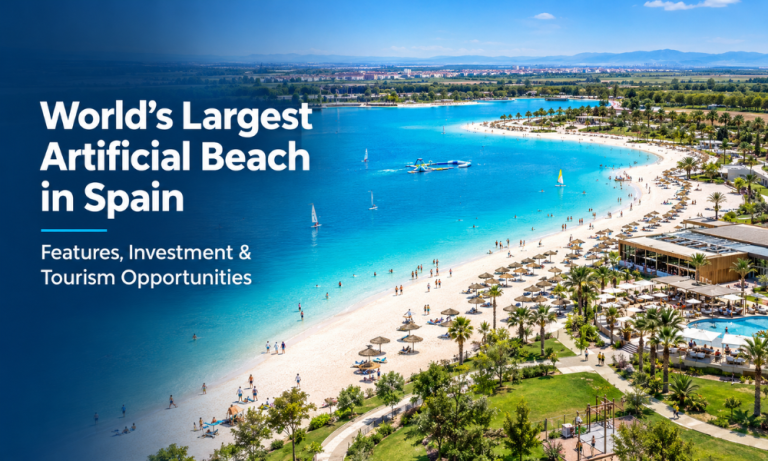
Spain is preparing to introduce an exciting new attraction that could transform the future of tourism and outdoor entertainment. A proposed artificial beach project, with an estimated investment of €30 million, aims to create a spectacular destination where visitors can enjoy the beauty of a tropical beach without travelling to the coast.
The project combines modern technology, innovative landscape design, recreational activities, and tourism infrastructure. With crystal-clear water, sandy surroundings, and a wide range of entertainment facilities, the development is expected to offer visitors a unique holiday experience.
If completed as planned, the artificial beach could become an important attraction for families, tourists, and adventure enthusiasts.
A €30 Million Artificial Beach Development
The proposed project represents an ambitious investment in Spain’s leisure and tourism infrastructure. According to the newspaper report, approximately €30 million is expected to be invested in developing the artificial beach.
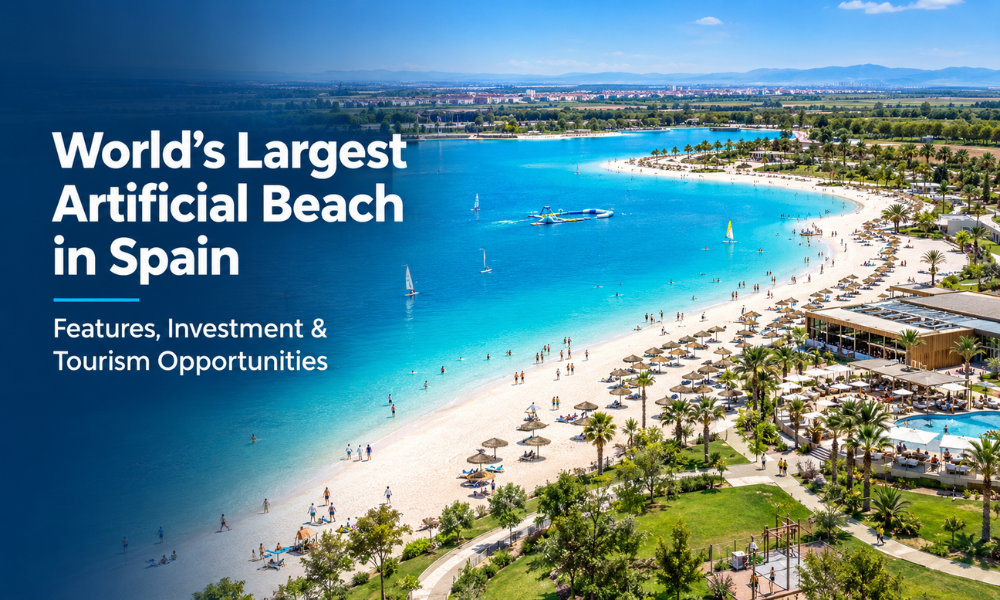
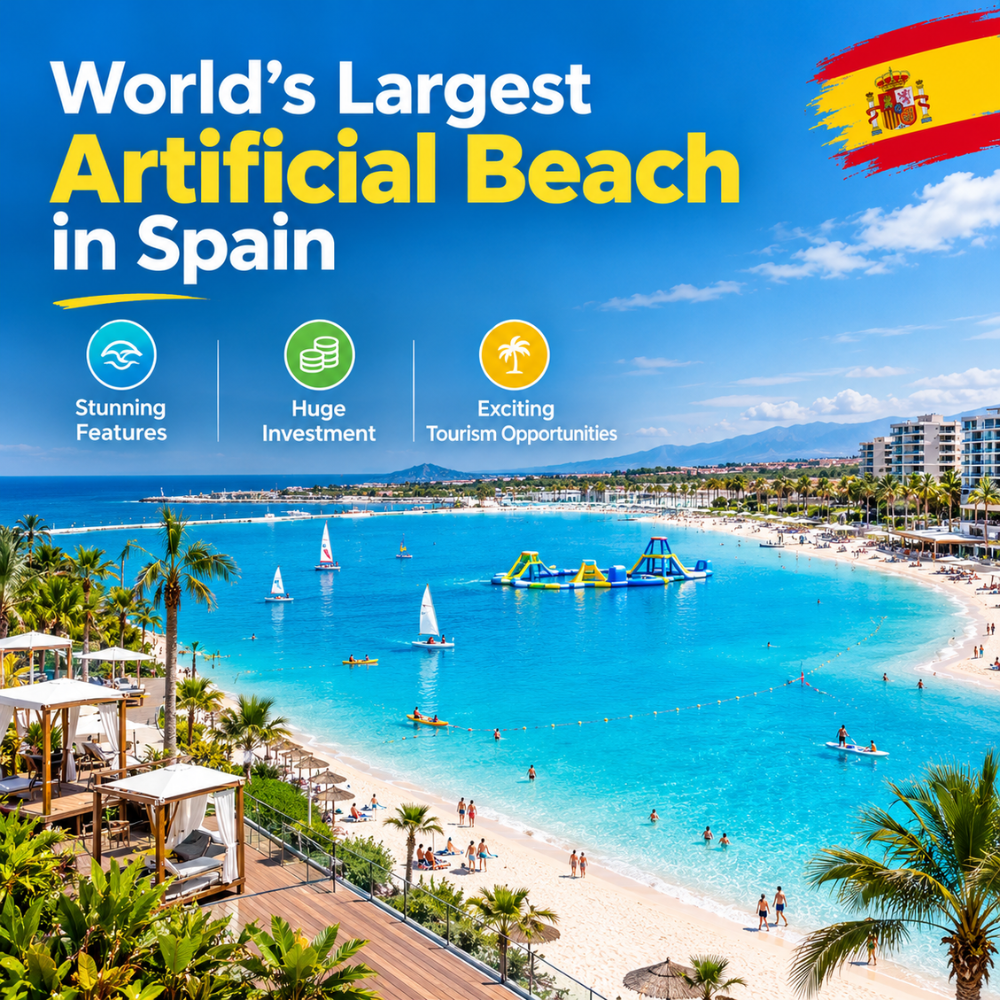
The concept involves creating a large man-made lagoon surrounded by sandy beaches, landscaped gardens, and modern recreational facilities. Unlike traditional swimming pools, artificial beaches are designed to recreate the natural appearance and atmosphere of coastal destinations.
The project is reportedly associated with Crystal Lagoons, a company known for developing large artificial lagoons using specialized water-treatment technology.
The development aims to combine the experience of a beach holiday with the convenience of an accessible recreational destination.
Major Features of the Artificial Beach
One of the most attractive aspects of the proposed artificial beach is its combination of natural-looking surroundings and modern entertainment facilities.
- Crystal-Clear Artificial Lagoon
The central attraction will be a large artificial lagoon featuring clear blue water. Advanced water-management systems are expected to help maintain water quality while creating an appealing environment for swimming and relaxation.
- Beautiful Sandy Beach Areas
The lagoon will be surrounded by extensive sandy areas designed to provide visitors with a genuine beach-like experience. Tourists will be able to relax, enjoy the sunshine, and participate in outdoor activities.
- Water Sports and Recreational Activities
The project is expected to offer activities such as paddleboarding, kayaking, and other non-motorized water sports. These facilities could attract both adventure seekers and families looking for recreational experiences.
- Landscaped Gardens and Green Spaces
The development plans include landscaped surroundings, walking areas, and greenery. These spaces will enhance the visual appeal of the destination while providing comfortable areas for relaxation.
- Entertainment and Visitor Facilities
The newspaper report also mentions recreational facilities such as waterslides and additional attractions. These features are intended to make the destination suitable for visitors of different age groups.
Advanced Technology Behind Artificial Beaches
Modern artificial beaches depend on innovative engineering and water-treatment technology.
Unlike conventional swimming pools, large artificial lagoons require specialized systems to manage water circulation, filtration, and cleanliness.
Crystal Lagoons technology is designed to support large recreational water bodies through controlled water-treatment processes. The objective is to maintain attractive water conditions while managing operational requirements.
Such technologies make it possible to create beach-style environments in locations far from natural coastlines.
However, actual environmental performance depends on factors such as water sourcing, energy consumption, maintenance practices, and local climate conditions.
Tourism Opportunities for Spain
Spain is already one of Europe’s most popular international tourism destinations, known for its beaches, cultural heritage, architecture, and entertainment attractions.
The proposed artificial beach could create additional opportunities for tourism development by introducing a new type of recreational experience.
Attracting Domestic and International Visitors
A large artificial beach could attract residents, families, and international tourists seeking convenient leisure activities. Its distinctive design may also appeal to visitors interested in exploring innovative destinations.
Supporting Hotels and Local Businesses
An attraction of this scale could increase demand for nearby accommodation, restaurants, transportation, retail businesses, and tourism services.
Creating Employment Opportunities
Construction, landscaping, facility management, hospitality, security, and maintenance could generate employment during development and operation.
Encouraging Recreational Tourism
The project could support Spain’s recreational tourism sector by offering beach-style activities beyond conventional coastal destinations.
Economic and Environmental Considerations
Large tourism projects can contribute to regional development, but their long-term success depends on careful planning.
The estimated €30 million investment may create opportunities for construction companies, equipment suppliers, hospitality providers, and local entrepreneurs.
At the same time, artificial lagoons require responsible water management, energy-efficient systems, and regular maintenance.
Environmental assessments and sustainable operating practices will be important for balancing tourism growth with natural resource conservation.
Accessibility, visitor safety, and affordable recreational options could also influence the project’s long-term popularity.
The Future of Artificial Beach Tourism
Artificial beaches are becoming an interesting concept in modern urban development and recreational tourism.
They offer an alternative to traditional coastal holidays by bringing water-based leisure activities closer to residential communities and inland destinations.
As technology improves, developers may increasingly explore artificial lagoons as part of mixed-use developments, resorts, residential communities, and entertainment parks.
Spain’s proposed development highlights how tourism infrastructure can combine innovative design with new recreational opportunities.
Its eventual success will depend on construction progress, visitor demand, environmental management, and the quality of the facilities delivered.
Conclusion
The proposed world’s largest artificial beach in Spain represents an ambitious vision for modern tourism and recreation. With an estimated €30 million investment, crystal-clear lagoon waters, sandy beaches, water sports, landscaped surroundings, and entertainment facilities, the project aims to create a distinctive visitor destination.
Beyond its recreational appeal, the development could support local businesses, employment, and tourism-related investment.
Although the project’s final scale, completion schedule, and world-record status require confirmation, the concept demonstrates the growing potential of artificial beaches in shaping future leisure destinations.
About the Author
Hemangi is a freelance writer passionate about creating accessible, high-quality content.